China Securities Chief Urges Adoption of Blockchain and AI in Markets

Wu Qing urged capital market institutions to rapidly integrate AI, big data, and blockchain to reshape market operations.
Quick Take
Summary is AI generated, newsroom reviewed.
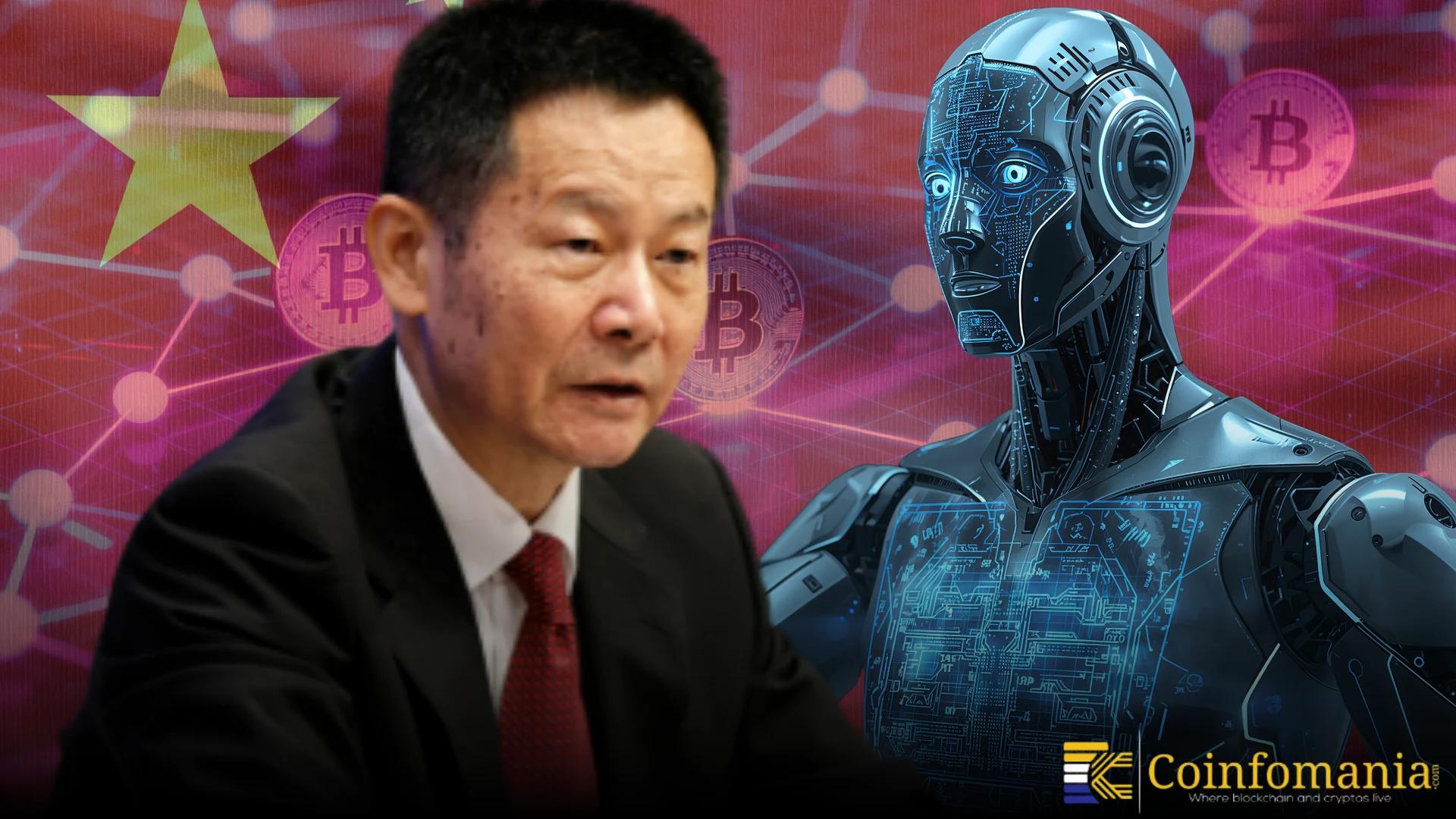
China Securities Regulatory Commission (CSRC) Chairman Wu Qing pushed for the rapid integration of AI, big data, and blockchain in capital markets.
The goal is to enhance market operations, improve transparency, strengthen risk assessment, and provide better investor insights.
The CSRC will support adoption through regulatory sandboxes and streamlined innovation pilot programs to manage risks.
The move signals China's long-term strategy to build a smarter, safer, and more resilient financial system using digital infrastructure.
China’s top securities regulator just sent a clear message to the financial industry. Change is here and technology will lead it. Wu Qing, Chairman of the China Securities Regulatory Commission (CSRC), called on market institutions to speed up the use of artificial intelligence. Including big data and blockchain across capital markets.
He delivered the message during the Eighth Member Congress of the China Securities Association. Wu Qing said the current wave of financial innovation is only getting started. However, it is already reshaping how markets operate. He urged firms to stop watching from the sidelines and start building for the future. According to Wu Qing, firms must learn to think differently. They must adapt faster and most importantly, they must actively seek change instead of reacting to it late.
Blockchain, AI, and Big Data Move to Center Stage
Wu Qing made it clear that emerging technologies will not stay on the edge of China’s financial system for long. They are moving to the core. He encouraged firms to study these tools carefully and deploy them in real market operations. Blockchain can enhance transparency and data security. AI can improve risk assessment and trading decisions. Big data can sharpen market analysis and investor insights. Together, these tools can rebuild how services function across stocks, bonds and derivatives.
To support this shift, the CSRC plans to work closely with industry associations. Their focus will be on streamlining innovation pilot programs. These programs allow firms to test new technologies under regulatory supervision. Chairman Wu also highlighted the importance of regulatory sandboxes. These controlled environments help firms experiment without creating system wide risks. At the same time, regulators can observe, adjust rules and respond faster to new threats.
Tighter Supervision Alongside Faster Innovation
While Wu Qing supports innovation, he also stressed that risk control comes first. He said regulators will strengthen monitoring systems for new financial technologies. They will also improve early warning tools and emergency response plans. This balance matters. Innovation moves fast. However, markets need safety nets. Wu acknowledged that new technology creates opportunity and danger. Therefore, policy must evolve alongside technical progress.
He also reminded securities firms about their broader duties. Investment banks, in particular, must strengthen internal controls. They must act with honesty and responsibility and they must guide listed firms toward stable, compliant growth. At the same time, Wu Qing pushed firms to align their goals with investor returns, not short-term profits. He wants financial institutions to build long-term trust, not just chase fast deals.
A Signal of China’s Long-Term Market Strategy
Wu Qing’s comments signal more than a tech upgrade. They reveal how China views the future of capital markets. The goal is not only speed or efficiency. The goal is a smarter, safer and more resilient financial system. By promoting AI and blockchain together, China is blending automation with accountability. By expanding regulatory sandboxes, it is encouraging innovation without losing control.
The message to the industry is blunt. Technology adoption is no longer optional. Firms that fail to transform may fall behind fast. For crypto and blockchain watchers, this is also a key signal. China may still restrict open crypto trading. Yet, its regulators clearly see blockchain as a strategic infrastructure for future finance. In short, China’s market reform is entering a new phase and this time, the engine is digital.
References


Follow us on Google News
Get the latest crypto insights and updates.