Fed Flags XRP as Core Asset in New Crypto Risk Framework

The Fed names XRP as a core crypto asset in a new risk paper, signaling growing institutional recognition in derivatives markets.
Quick Take
Summary is AI generated, newsroom reviewed.
The Federal Reserve published a crypto risk paper on uncleared markets
XRP is included as a core asset for risk calibration
Regulators classify XRP as an unpegged, volatile crypto asset
The framework updates ISDA margin models for crypto derivatives
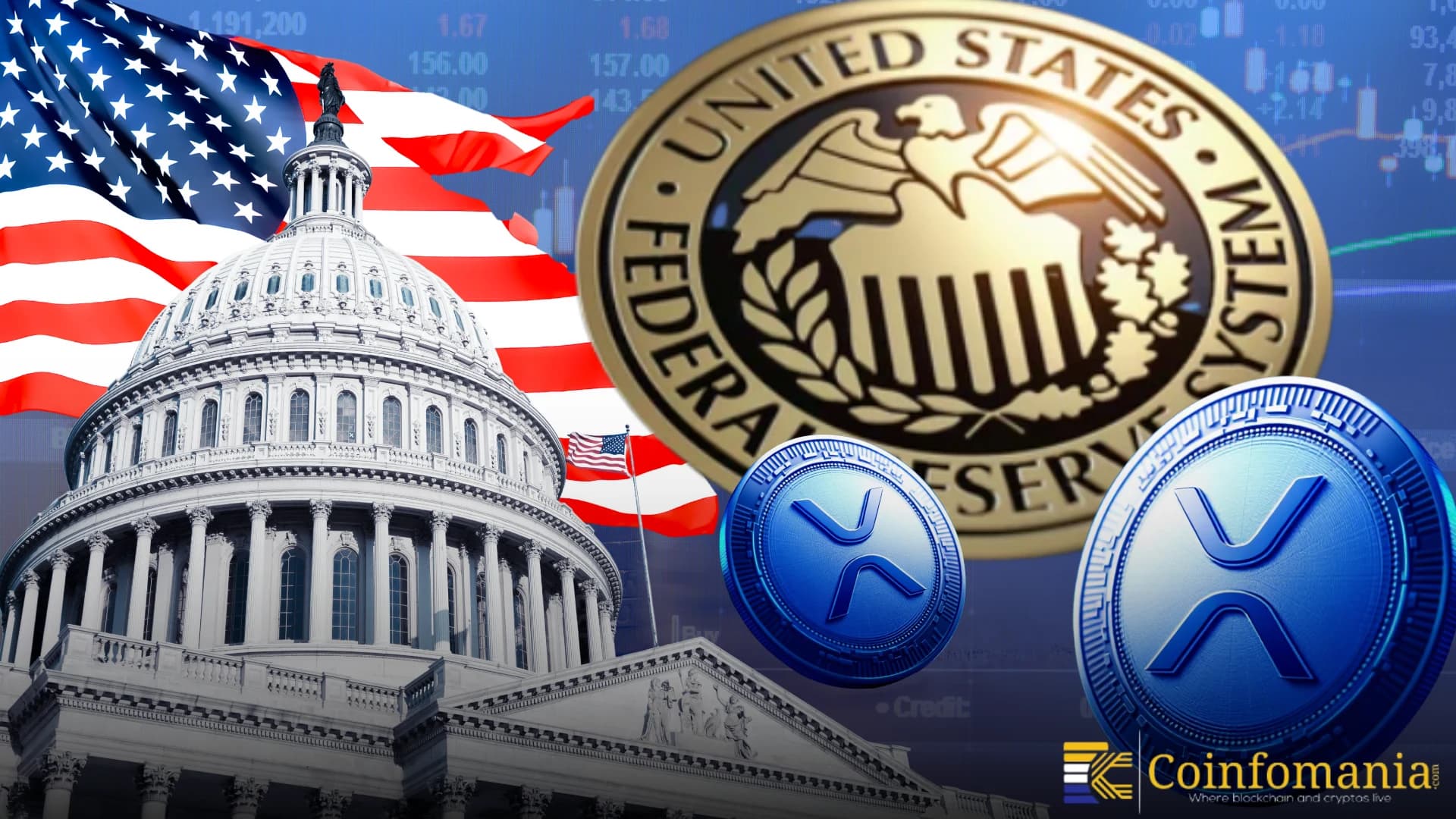
A new research paper that has been published by the Federal Reserve Board formally incorporated XRP as a core crypto market asset. The article, published on February 11, 2026, is devoted to the issue of risk management in uncleared crypto derivatives markets. More to the point, it is one of the most apparent recognitions of the role of XRP in regulated financial modeling.
💥BREAKING:
— STEPH IS CRYPTO (@Steph_iscrypto) February 14, 2026
🇺🇸 FED BOARD JUST PUBLISHED A CRYPTO RISK PAPER AND $XRP IS INCLUDED AS A CORE MARKET ASSET. pic.twitter.com/HVg3QZuMQm
Why XRP Was Specifically Included
Fed also puts cryptocurrencies in a separate risk bracket in the report as opposed to equities or commodities. XRP is listed among twelve leading digital assets that are to be utilized to measure volatility and margin requirements. In contrast to stablecoins, XRP is in the category of unpegged crypto. This makes regulators view it as a price-discovery good whose behavior is independent of the market instead of a synthetic dollar proxy.
The paper makes suggestions to the ISDA Standardized Initial Margin Model. The use of this framework results in tailor-made margin calculations of crypto assets. Thus, the assets such as XRP must have increased accuracy in risk measurement because of the liquidity, volatility, and international trading presence. The motivation behind this change is to decrease systemic risk, but institutional participation is still possible.
What This Signals for Institutions
More importantly, regulatory inclusion is not the same as approval. Nevertheless, it is an indicator of recognition. The Fed admits that it has been using XRP in derivatives, liquidity pools, and international settlements. As a result, institutions currently have a better roadmap on how to design XRP-related products in uncleared markets. This transparency can reduce compliance ambiguity among banks and trading companies looking to venture in exposure.
The broader regulatory change can also be seen in this development. Cryptocurrency is no longer seen as an alternative activity by policymakers. They instead draw structures with actual use in the market. The regulators are trying to model crypto risks more precisely by dissociating stablecoins with volatile currencies such as XRP. In the long term, this would help to speed up standardized control as opposed to blanket prohibitions.
Why This Moment Matters for XRP
In the case of XRP, incorporating it into the list of reference assets strengthens its position on the market in the years of regulatory controversy. This paper deals only with risk mechanics although there are legal and policy deliberations in other places. That distinction matters. It indicates that despite the stories, XRP is already a quantifiable element in the global cryptocurrency market.
References


Follow us on Google News
Get the latest crypto insights and updates.