Surge in Insider Selling Raises Concerns Over Market Confidence
Rising insider selling across major firms raises market concerns as executives offload shares, signaling caution.
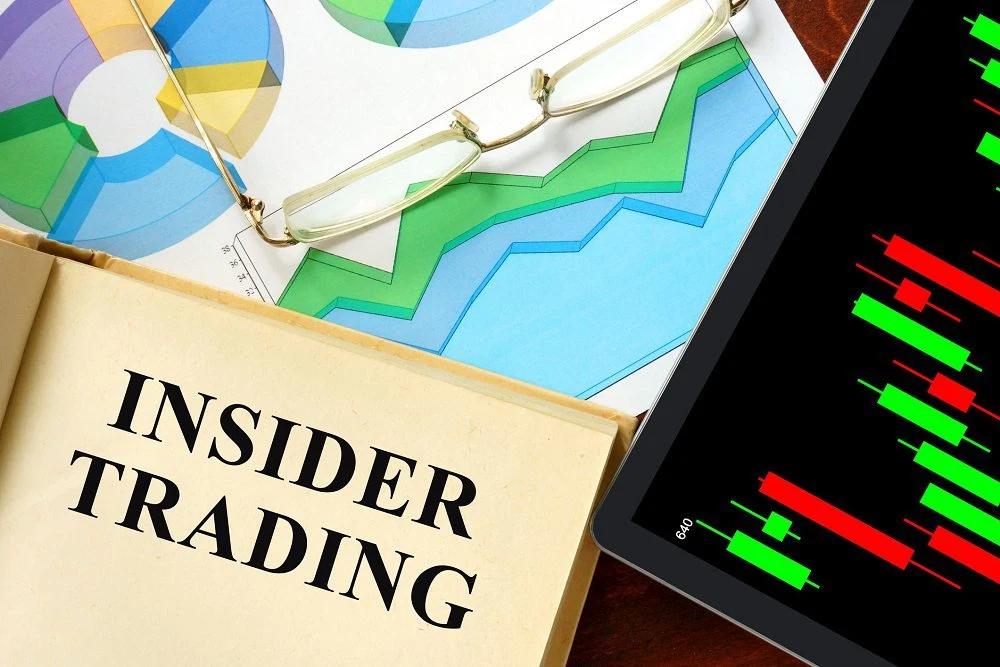
Quick Take
Summary is AI generated, newsroom reviewed.
Recent data shows a surge in insider stock selling activity
No significant insider buying has been recorded in the same period
Sales include executives from major publicly traded companies
Analysts say such trends may signal caution but are not definitive
Recent regulatory filings and market data point to a rise in insider selling across several major corporations. Companies such as NVIDIA, Broadcom, Palantir Technologies, and Diamondback Energy have reported notable share sales by executives and board members. These transactions are disclosed through filings like Form 4 submitted to the U.S. Securities and Exchange Commission, ensuring transparency around insider activity.
🚨 UPDATE: It’s getting worse
— NoLimit (@NoLimitGains) March 22, 2026
These are the top trades from this week.
Every single one of them is an insider selling.
Not one buy.
The people who run these companies are getting out as fast as they can.
That can only mean one thing… https://t.co/q52tTbZkxV pic.twitter.com/iULfjFFRon
Insider Selling Activity Signals Shift in Market Trends
Current data highlights a clear imbalance, with selling transactions significantly outweighing buying activity. This has resulted in a notably low insider buy-to-sell ratio, drawing attention from analysts and investors alike. While insider selling is not uncommon and can be driven by personal financial planning, diversification, or liquidity needs, widespread and clustered selling across multiple firms often raises questions about broader market sentiment.
Investors closely monitor insider behavior because executives typically have deeper insight into company performance and future outlook. When selling activity becomes concentrated across sectors, it can signal a shift in how corporate leaders perceive market conditions. However, it is important to recognize that insider selling alone does not automatically indicate negative expectations for individual companies or the market as a whole.
Market Implications and Investor Perspective
The recent uptick in insider selling has prompted discussions about its potential implications for the broader financial markets. Some analysts interpret this trend as a sign of caution among corporate leadership, particularly during periods of economic uncertainty. In certain cases, increased insider selling has preceded phases of heightened volatility or market corrections.
At the same time, experts advise against relying on insider activity as a standalone indicator. Market dynamics are influenced by a wide range of factors, including macroeconomic data, interest rate movements, and geopolitical developments. Insider transactions represent just one piece of a much larger analytical framework.
Sector-specific dynamics also play a role in shaping insider decisions. Technology companies like NVIDIA and Broadcom operate in rapidly evolving industries where valuations can shift quickly, influencing the timing of stock sales. Similarly, firms such as Diamondback Energy are affected by fluctuations in commodity markets, which can impact executive strategies.
For investors, the key takeaway is the importance of context. While increased insider selling may suggest a degree of caution, it does not guarantee an imminent downturn. A balanced approach that considers multiple indicators remains essential for understanding market direction.
As insider activity continues to be tracked, market participants will look for additional confirmation signals. Whether this trend reflects routine portfolio adjustments or deeper concerns about market conditions will become clearer as broader economic and financial developments unfold.
References


Follow us on Google News
Get the latest crypto insights and updates.
Related Posts

Visa Expands Crypto Strategy With New Hiring Push for Engineers

Triparna Baishnab
Author
Clarity Act Momentum Fuels Optimism for Altcoin Adoption
Triparna Baishnab
Author
Iran Warns Against Funding U.S. Military, Raising Global Market Concerns
Triparna Baishnab
Author