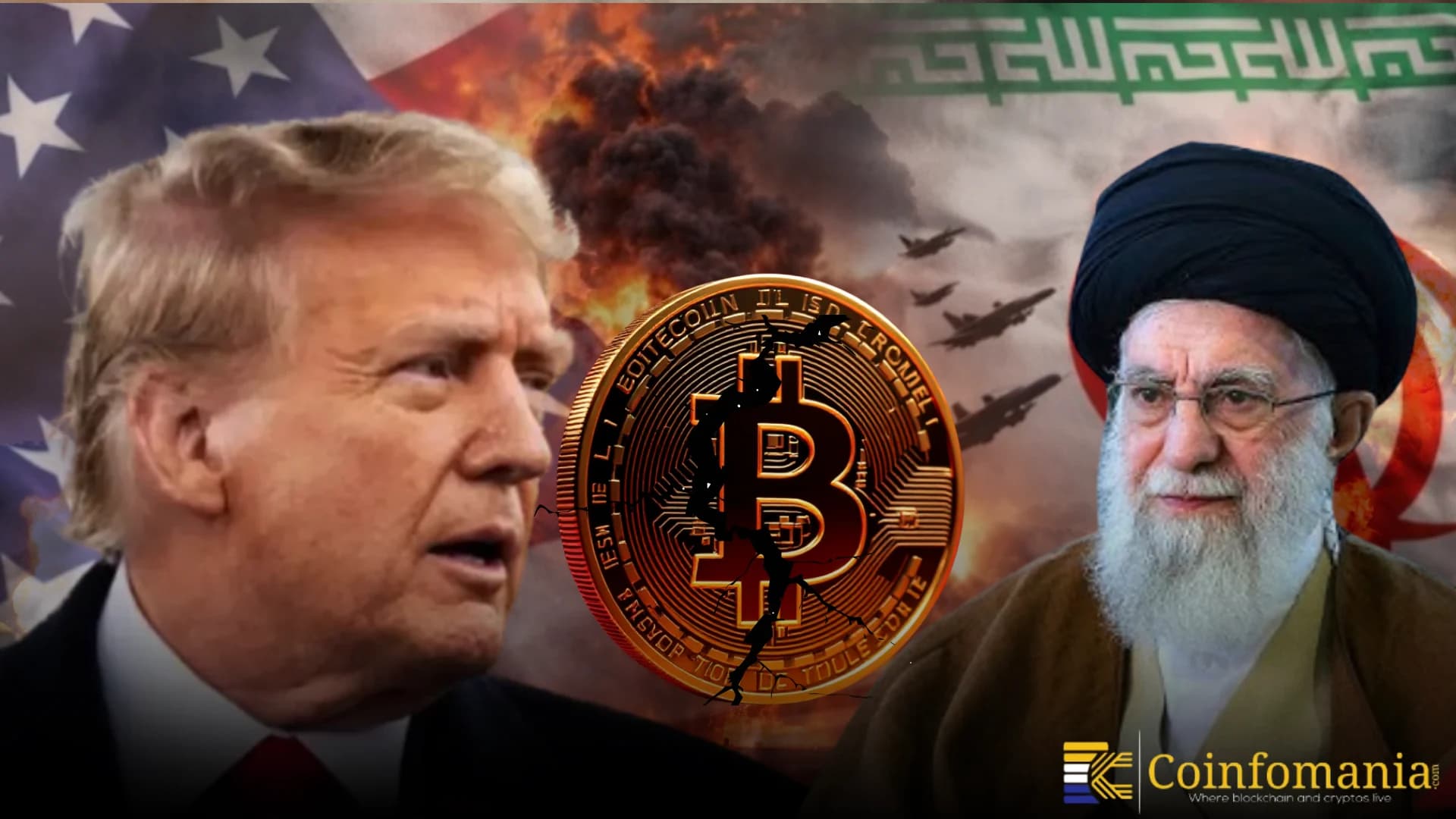
Iran Warns Against Funding U.S. Military, Raising Global Market Concerns

Iran warns institutions funding U.S. military via Treasuries could be targeted, raising concerns over global markets, bonds, and stability.
Quick Take
Summary is AI generated, newsroom reviewed.
Iran warns institutions funding U.S. military could be targeted
U.S. Treasury purchases linked to funding military operations
Statement comes amid escalating geopolitical tensions
Potential risks for global financial markets and bond stability
Iran has issued a warning suggesting that institutions funding the United States military could be considered potential targets, escalating tensions amid an ongoing geopolitical conflict. The statement reportedly links investments in U.S. Treasury securities to indirect support for military operations, introducing a new dimension to the situation.
💥BREAKING:
— Crypto Rover (@cryptorover) March 22, 2026
Iran warns any institution funding the U.S. military is now a target.
Says buying U.S. Treasuries = funding the war.
This war is escalating to next level. pic.twitter.com/fihxRLkZqG
Geopolitical Tensions Extend Into Financial Systems
This development signals a shift in how geopolitical conflicts may increasingly intersect with global financial systems. U.S. Treasury securities are widely regarded as some of the safest assets in global finance, held by governments, institutions, and investors as a store of value and a benchmark for stability. Any perceived risk surrounding these instruments could have far-reaching implications across markets.
The warning also highlights the growing relevance of financial warfare, where economic tools and capital flows become part of broader geopolitical strategies. In previous periods of heightened tensions, markets have reacted through shifts in bond yields, currency fluctuations, and changes in investor sentiment. Such signals often prompt market participants to reassess risk exposure and adjust their portfolios accordingly.
Market Implications
The potential effects of this warning extend beyond traditional financial markets. Iran U.S. Treasury securities play a central role in the global economy, influencing interest rates, liquidity conditions, and investment strategies worldwide. Any disruption—or even the perception of risk—can contribute to increased volatility.
During periods of geopolitical uncertainty, investors often seek alternative assets. Commodities such as oil tend to react strongly, particularly when tensions involve regions critical to global energy supply. At the same time, digital assets like Bitcoin are sometimes viewed as alternative stores of value, although their performance can vary depending on broader market sentiment.
Iran Global Economic Impact
Analysts note that geopolitical developments can influence markets both directly and indirectly. Direct impacts may involve disruptions to trade flows, energy supply, or financial systems. Indirect effects often emerge through changes in investor confidence and overall risk perception.
Despite these concerns, experts emphasize that markets are shaped by multiple factors. Economic data, central bank policies, and global growth trends continue to play critical roles in determining outcomes. For now, the situation underscores the deep interconnection between geopolitics and finance.
As tensions evolve, market participants will closely monitor developments and assess how they may affect global financial stability and investment strategies.
References


Follow us on Google News
Get the latest crypto insights and updates.