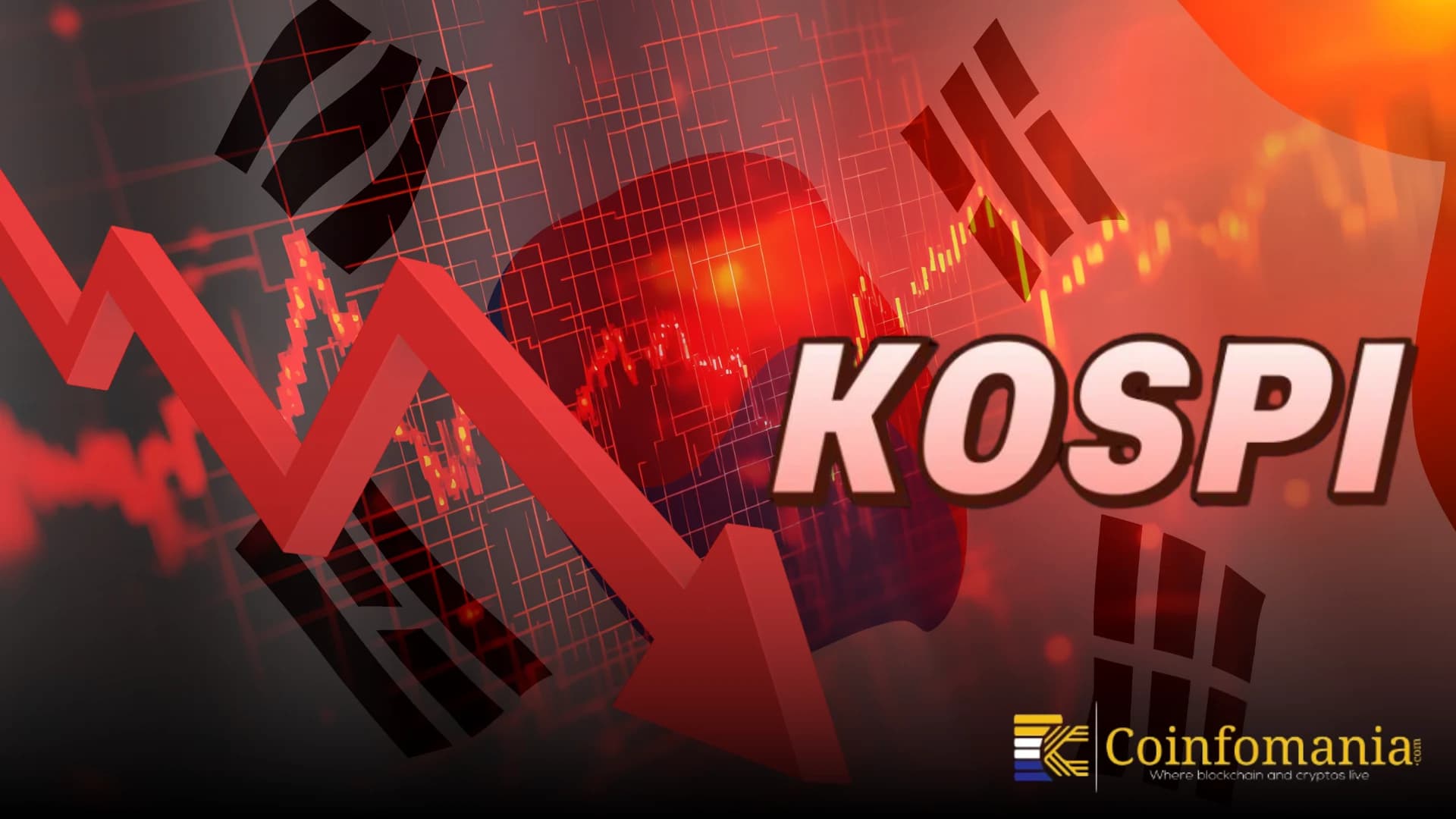
KOSPI Trading Freeze Sparks Debate Over Market Protection Measures
Let’s uncover why the KOSPI market halt shocked investors and what it means for crypto traders worldwide. Could selling bans ever work?
Quick Take
Summary is AI generated, newsroom reviewed.
South Korea triggered a KOSPI market halt after a rapid five percent crash
Selling bans sparked debate over market stability and investor confidence
Crypto trading volatility raises concerns about similar intervention risks
Trust and transparency matter more than emergency restrictions
South Korea’s financial markets faced extreme pressure after a sharp selloff triggered emergency controls. The KOSPI index plunged more than five percent in a single session. Authorities responded by halting all sell orders across the exchange. This dramatic move stunned investors and traders worldwide.
Market participants watched liquidity vanish as futures and equities froze. Traders rushed to understand whether this action protected stability or worsened panic. The KOSPI market halt immediately became a global talking point. Many questioned whether such intervention helps confidence or undermines price discovery.
The sudden stop reignited debate across traditional and digital markets. Crypto traders asked a controversial question. Should exchanges remove the sell button during crashes? This discussion gained momentum as volatility spreads across asset classes.
🚨BREAKING: South Korea's stock market halted all SELL ORDERS on the KOSPI after a -5% plunge in the index and futures.
— Ash Crypto (@AshCrypto) February 2, 2026
Can we please remove sell button for crypto exchanges as well ? pic.twitter.com/LT2VEbYpQ5
Why South Korea Triggered an Emergency KOSPI Market Halt
South Korea uses strict safeguards to prevent disorderly market behavior. Stock market circuit breakers activate when price moves exceed predefined thresholds. The five percent plunge pushed markets into a danger zone. Regulators stepped in to slow panic selling.
Authorities aimed to stabilize investor sentiment and stop cascading losses. They feared algorithmic trades and leveraged positions could deepen the crash. The KOSPI market halt allowed traders time to reassess risk. Officials believed a pause would restore rational decision making.
Critics argued that halting sell orders creates artificial stability. Prices cannot reflect real demand without sellers. Supporters claimed intervention prevented deeper damage. This divide highlights the ongoing tension between free markets and regulatory control
What the KOSPI Halt Reveals About Market Fragility
The incident exposed how fast confidence disappears during stress. Modern markets rely heavily on automation and leverage. When fear spikes, exits narrow instantly. The KOSPI market halt showed how fragile liquidity can become.
Investors rely on predictable rules during turbulence. Sudden restrictions surprise global funds and retail traders alike. Many foreign investors questioned whether future exits remain reliable. This uncertainty can raise long term risk premiums.
Stock market circuit breakers exist to manage volatility. However, stopping sell orders crosses a psychological line. Traders expect pauses, not forced holding. This distinction matters during crisis moments.
Crypto Traders React as Selling Restrictions Enter the Conversation
The KOSPI halt sparked immediate reactions in crypto circles. Many asked whether crypto exchanges should follow similar steps. Some traders joked about removing the sell button entirely. Others raised serious concerns.
Crypto trading volatility already exceeds traditional markets. Tokens trade twenty four hours without centralized oversight. Sudden restrictions could erode trust quickly. Traders value permissionless exits during stress.
Yet supporters argued that extreme volatility harms retail investors. Rapid liquidations wipe accounts within minutes. Some believe temporary limits could reduce forced selling. The debate mirrors traditional finance arguments but with higher stakes.
Global Implications as Market Volatility Spreads
South Korea’s move may influence other markets. Policymakers worldwide watch how investors respond. If confidence stabilizes, more interventions may follow. If trust erodes, regulators may rethink aggressive controls.
The KOSPI market halt arrives during heightened global uncertainty. Interest rates remain tight. Geopolitical risks persist. Liquidity conditions feel fragile across asset classes.
Crypto trading volatility often mirrors broader risk sentiment. When equities fall sharply, digital assets follow. Coordinated safeguards remain unlikely. Each market must balance freedom with protection carefully.
Market Stability Depends on Trust, Not Buttons
Markets thrive on trust and transparency. Forced controls offer short term relief but long term questions. Investors need confidence in exit mechanisms. Without trust, liquidity disappears.
The KOSPI market halt reignited an important debate. Protection versus freedom remains unresolved. Crypto markets face similar pressures without centralized authority.
Removing sell buttons may sound appealing during panic. In reality, it risks deeper damage. Sustainable markets rely on clear rules, informed traders, and credible institutions.


Follow us on Google News
Get the latest crypto insights and updates.
Related Posts
Bitcoin Hashrate Falls Sharply as US Winter Storm Forces Mining Shutdowns

Vandit Grover
Author
Bitcoin Sudden Drop Sends Shockwaves Through the Crypto Market
Vandit Grover
Author
Hong Kong Regulator to Issue First Stablecoin Licences in March

Shweta Chakrawarty
Author