Moscow Exchange Sets the Stage for Crypto Indices Expansion in 2026
Let’s uncover how Moscow Exchange crypto indices could reshape altcoin markets in 2026, will futures trading follow next?
Quick Take
Summary is AI generated, newsroom reviewed.
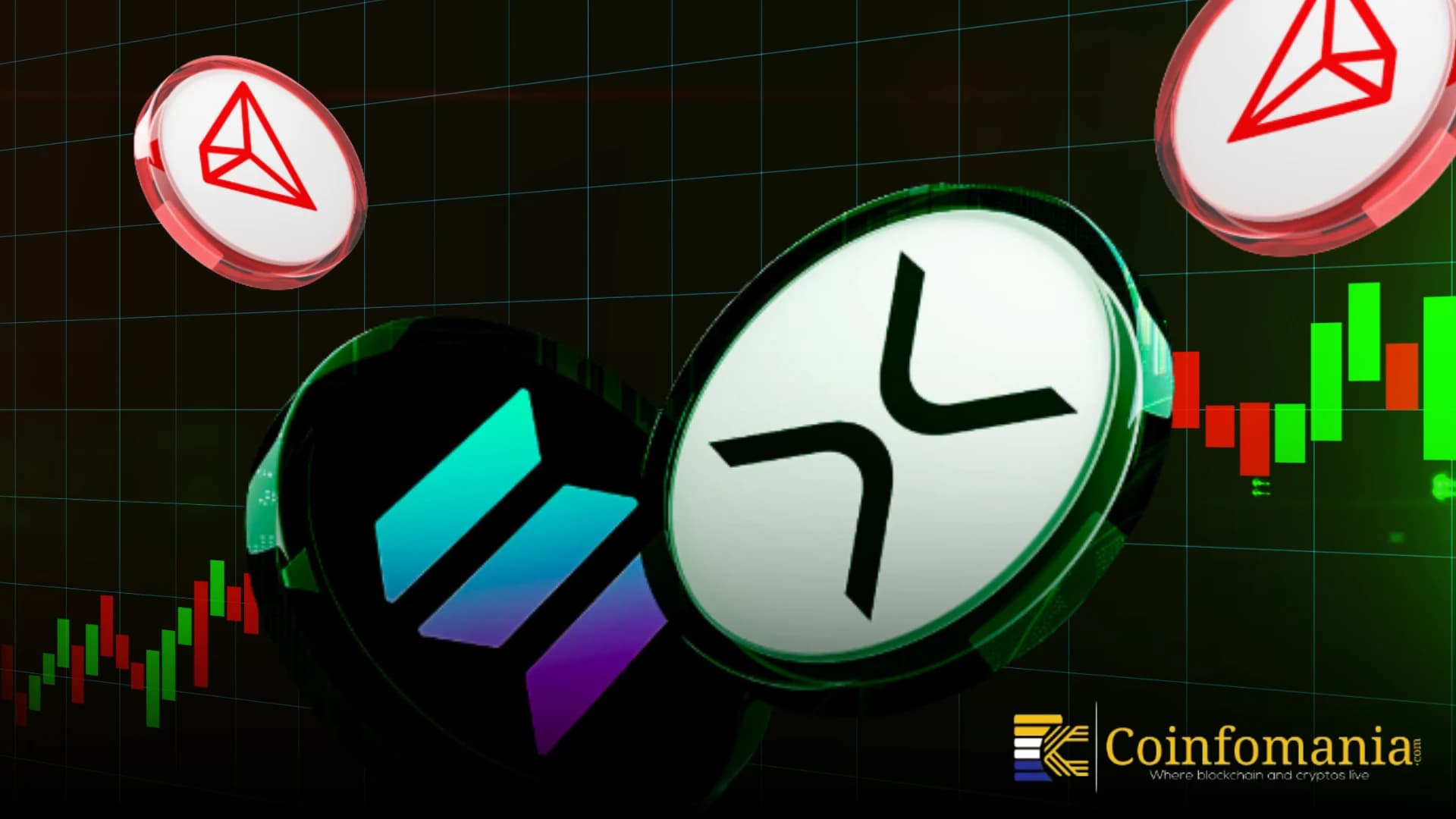
Moscow Exchange plans crypto indices for Solana, Ripple, and Tron in 2026
Moscow Exchange crypto indices may open doors for institutional participation
Crypto futures Russia could follow, expanding hedging and trading strategies
Solana Ripple Tron gain credibility through regulated market inclusion
Russia’s largest stock exchange has taken a clear step toward deeper crypto market integration. Moscow Exchange plans to launch crypto indices for Solana, Ripple, and Tron in 2026. The exchange also expects futures products to follow soon after the indices debut. This move signals growing institutional interest in digital assets despite regulatory complexity.
The announcement reflects a strategic shift in how traditional exchanges approach cryptocurrencies. Moscow Exchange already tracks several digital asset benchmarks. Expanding into altcoin indices shows confidence in market maturity. It also highlights rising demand for regulated crypto exposure within Russia’s financial system.
For traders and institutions, indices often act as gateways. They provide pricing transparency, benchmark tracking, and structured market access. With Moscow Exchange crypto indices, Solana, Ripple, and Tron could gain stronger institutional visibility. That visibility may reshape how these assets trade regionally and globally.
🇷🇺 LATEST: Moscow Exchange plans to introduce crypto indices for Solana, Ripple and Tron in 2026, with futures expected to follow. pic.twitter.com/igrVtp2bJ1
— Cointelegraph (@Cointelegraph) February 3, 2026
Why Moscow Exchange Chose Solana, Ripple, and Tron
Solana, Ripple, and Tron represent different crypto use cases. Each network offers strong transaction throughput and established ecosystems. Moscow Exchange selected assets with liquidity, developer activity, and global relevance. This choice reduces volatility risks tied to thinly traded tokens.
Solana continues to attract developers across decentralized finance and gaming. Ripple maintains deep ties to cross border payments and banking infrastructure. Tron dominates stablecoin settlement volumes in several regions. Together, Solana Ripple Tron cover diverse blockchain demand profiles.
By focusing on these assets, Moscow Exchange signals long term confidence. The exchange avoids experimental tokens with unclear fundamentals. This strategy aligns with institutional risk frameworks. It also supports broader acceptance of Moscow Exchange crypto indices among conservative investors.
How Crypto Indices Fit Russia’s Regulated Market Vision
Russia maintains strict oversight of financial markets. Moscow Exchange operates under tight regulatory standards. Crypto indices offer exposure without direct asset custody. That structure aligns with existing compliance frameworks.
Indices allow market participants to track performance without owning tokens. This approach appeals to funds restricted from spot crypto trading. Moscow Exchange crypto indices could serve pension funds, asset managers, and proprietary desks. These participants often prefer derivatives and benchmarks.
The move also fits Russia’s push for financial sovereignty. Domestic benchmarks reduce reliance on foreign pricing sources. Local indices strengthen market independence. They also improve data transparency for regulators and policymakers.
Futures Trading Could Follow and Expand Market Participation
Moscow Exchange expects futures products after launching indices. Futures allow traders to hedge, speculate, and manage risk efficiently. They also boost liquidity and price discovery. Crypto futures Russia could see significant growth once regulated products emerge.
Futures contracts tied to indices reduce manipulation risks. They reference diversified pricing rather than single exchanges. This structure attracts institutional traders seeking stability. It also limits exposure to offshore market disruptions.
If approved, crypto futures Russia may unlock new strategies. Arbitrage desks, hedge funds, and market makers could enter. Retail participation may follow through brokers. This progression mirrors earlier commodity and equity derivative launches.
A Strategic Step Toward Institutional Crypto Adoption
Moscow Exchange crypto indices represent more than a product launch. They signal intent. The exchange wants a role in the future financial system. Crypto no longer sits outside traditional markets.
Solana Ripple Tron gain a regulated gateway into institutional portfolios. Futures could amplify that impact. Together, these steps point toward gradual integration rather than disruption.
If executed well, this initiative may redefine Russia’s crypto landscape. It could also influence how emerging markets approach regulated digital assets. The world will watch closely as 2026 approaches.


Follow us on Google News
Get the latest crypto insights and updates.
Related Posts

Bed Bath & Beyond Enters Blockchain Finance With Tokens.com Acquisition

Vandit Grover
Author
Whale Machi Big Brother Loses $26M on High-Leverage Positions

Shweta Chakrawarty
Author
Markets Price in First Fed Rate Cut by June 2026 Under Warsh

Triparna Baishnab
Author