Pi Network Community Points to Stable Prices After Token Unlock

Pi Network reported stable on-chain metrics following a major Christmas Day token unlock, as the community debates utility versus execution.
Quick Take
Summary is AI generated, newsroom reviewed.
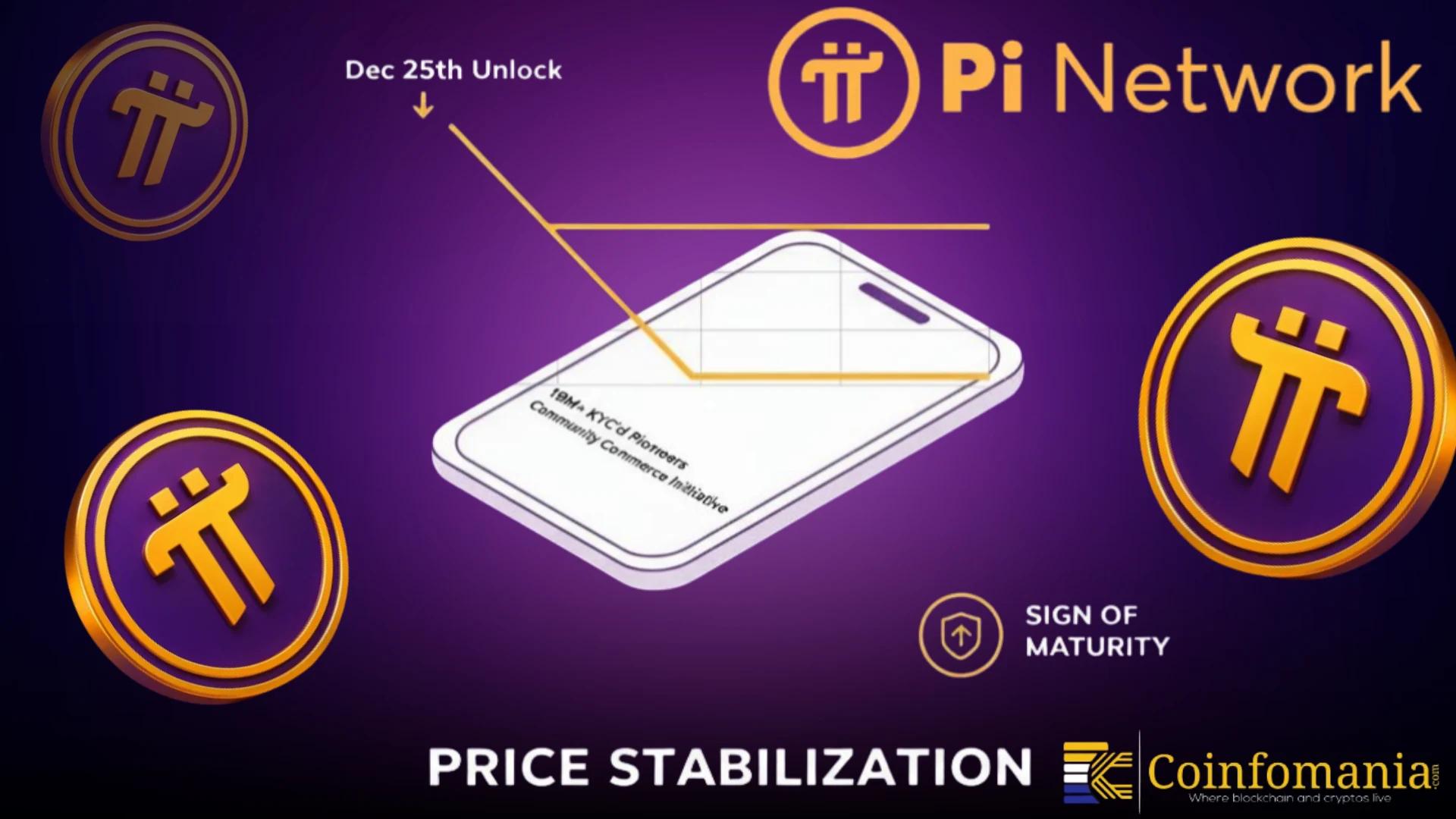
Community reports indicate stable PI prices after the Dec 25 unlock.
Over 19 million Pioneers have now completed the native KYC process.
Critics cite prolonged "Enclosed Mainnet" testing as a risk to adoption.
The 8.7 million token release tested the ecosystem’s internal demand capacity.
The Pi Network community pointed to price stability following the December 25 token unlock. Which released a new tranche of Pi into circulation. Community-linked posts described the period after the unlock as calm, with no sharp swings reported. Supporters framed the outcome as a sign of ecosystem maturity rather than short-term volatility. At the same time, critics used the moment to renew concerns about timelines, transparency and prolonged testing phases. The discussion has turned the latest Pi news into a broader debate about progress versus patience.
Token Unlock Draws Mixed Reactions
The December unlock added supply to the ecosystem. Community members said the event “tested” market behavior. According to several posts, prices remained stable after the release. Supporters argued this reflects growing utility and internal demand. However, Pi Network does not have an official market price. As a result, references to Pi coin price or Pi coins value rely on community tracking rather than confirmed exchange data. This limits the ability to independently verify claims of stability. Even so, some users said the lack of panic selling was notable. They described the response as more measured than during earlier unlocks.
Utility Claims Versus Execution Concerns
Supporters highlighted expanding usage within the ecosystem. They cited community commerce activity and a rising number of verified users. Posts referenced more than 19 million KYC-approved participants and ongoing merchant engagement. Others disagreed. Critics argued that many core features remain in test environments.
They pointed to delayed migrations, pending validation rewards and apps still running on testnet infrastructure. For these users, stable pricing narratives do not offset execution delays. This divide has become a recurring theme in Pi news. One side views slow rollout as careful development. The other sees it as a risk to relevance in a fast-moving market.
Community Debate Intensifies After Unlock
The token unlock also reignited debate around exchanges and custody. Some community figures warned against centralized platforms, while others dismissed such claims as opinion rather than fact. These arguments unfolded alongside broader discussions on trust and control. Meanwhile, developers and long-term supporters urged patience. They argued that rushing upgrades could cause technical failures. They also said real-world utility needs stress testing before open access. Critics countered that seven years is already a long testing window. They warned that user fatigue is growing and that alternative networks could gain adoption faster.
Price Stability Claims Remain Informal
Claims of price stability continue to circulate, but they remain informal. Without open trading, Pi coin price and Pi coins value remain community-referenced metrics. The Pi Core Team has not issued official commentary validating these figures. As a result, the December unlock serves more as a sentiment check than a market signal. It shows how users react internally to supply changes, but it does not confirm external demand.
In summary, the latest Pi news reflects a familiar pattern. Supporters see stability and progress. Critics see delays and unanswered questions. The December token unlock did not resolve that tension, but it brought it back into focus. Whether Pi Network can convert internal stability into broader execution will likely define the next phase of the project.
References


Follow us on Google News
Get the latest crypto insights and updates.