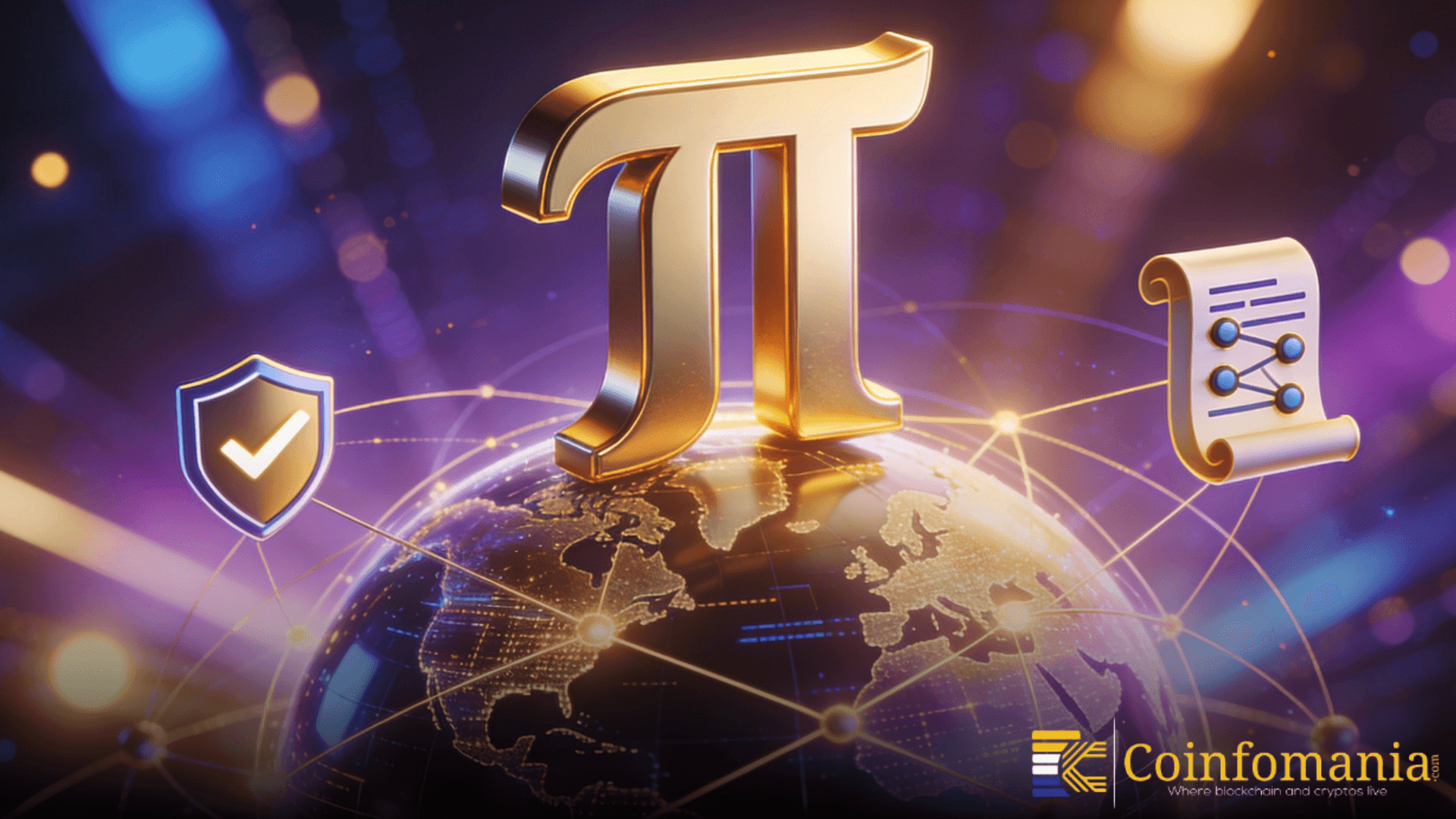
Pi Network Pushes Global Digital Economy With Utility Focus

Pi Network highlights real-world digital payments and apps as it expands global utility and ecosystem education through YouTube.
Quick Take
Summary is AI generated, newsroom reviewed.
Pi Network promotes real-world utility.
The focus stays on global digital payments.
Mobile apps drive everyday adoption.
Education supports ecosystem growth.
Pi Network has kept on advancing its vision of a digitally linked economy. The core team emphasizes practical use among the daily users. Starting with local markets and extending to global platforms, Pi wants to enable simple digital payments. Consequently, the project is concerned with accessibility in the first place. Any person with a smartphone is eligible to join.
🚀🌍 Pi Network – Powering the Global Digital Economy!
— Pi Core Team ᵖⁱ ⁿᵉᵗʷᵒʳᵏ (@PiCoreGroup) January 28, 2026
From local markets to a connected world, Pi is building real utility for everyone 📱💱
🔥 Learn how Pi is changing the future of digital payments & apps!
▶️ Subscribe to our YouTube Channel for latest Pi updates & tutorials:… pic.twitter.com/k2r2y2AoNi
Pi pays more attention to usage than price action. The system facilitates payment, applications, and peer-to-peer operations. Thus, it is aimed at actual economic activity, and developers create tools that are used in day-to-day activities. Pi is put to test among merchants in local commerce. The ecosystem is therefore growing naturally.
Pi Network Strategic Adoption
Pi is dependent on a mobile-first strategy. This is a low-energy consumption design. It also eliminates hardware barriers. Consequently, emerging market users can become members without difficulty. Countries such as Nigeria, Brazil, and Vietnam are quite active. Therefore, Pi positions itself as an inclusive establishment.
The core team advertises its YouTube channel. There are tutorials on how to build apps and make payments. New users abide through walkthroughs. Hence, there is an increasing rate of spreading knowledge. Higher education increases the confidence of the users. This is a direct supporting factor towards long-term adoption.
Governance Presages Steady Improvement
On January 22, 2026, Pi introduced a community vote. This move drives decentralized governance. Though the pace was slowed down by criticism, improvements are happening. The group now moves towards candor. As a result, little by little, trust is in the process of regaining through users.
In 2019, Pi network was debuted with an energy-saving model and was modeled by Stanford-trained founders to be scalable. The roadmap is utility-driven despite volatility in prices. Real-life applications could become the future of Pi in case it is adopted. Pi prioritizes daily usage instead of short-term price action. The network enables payments, apps, and peer-to-peer transactions. As a result, developers build tools for everyday needs. Merchants test in local commerce. Therefore, real economic activity drives growth. The ecosystem expands organically through consistent use.
Mobile-First Strategy Expands Global Adoption
Pi follows a mobile-first and low-energy model. This approach removes costly hardware barriers. Consequently, users in emerging markets join easily. Countries like Nigeria, Brazil, and Vietnam show strong activity. Moreover, the network promotes inclusivity at scale. This strategy positions Pi as a globally accessible network.
Pi invests heavily in education and transparency. The core team shares tutorials through its YouTube channel. New users learn app building and payments step by step. Meanwhile, the January 22, 2026 community vote boosts decentralized governance. Although criticism slowed progress, steady improvements continue. Thus, trust gradually returns as Pi advances its utility-driven roadmap.
References


Follow us on Google News
Get the latest crypto insights and updates.