SEC Recognition Pushes Ethereum Into the Regulatory Spotlight

Let’s uncover why the SEC now highlights Ethereum regulatory outlook, what this means for markets, investors, and future US crypto policy
Quick Take
Summary is AI generated, newsroom reviewed.
Regulators now publicly acknowledge Ethereum’s systemic importance
Ethereum regulatory outlook improves with growing institutional adoption
US crypto regulation shows signs of maturity and deeper understanding
SEC Ethereum stance signals engagement rather than opposition
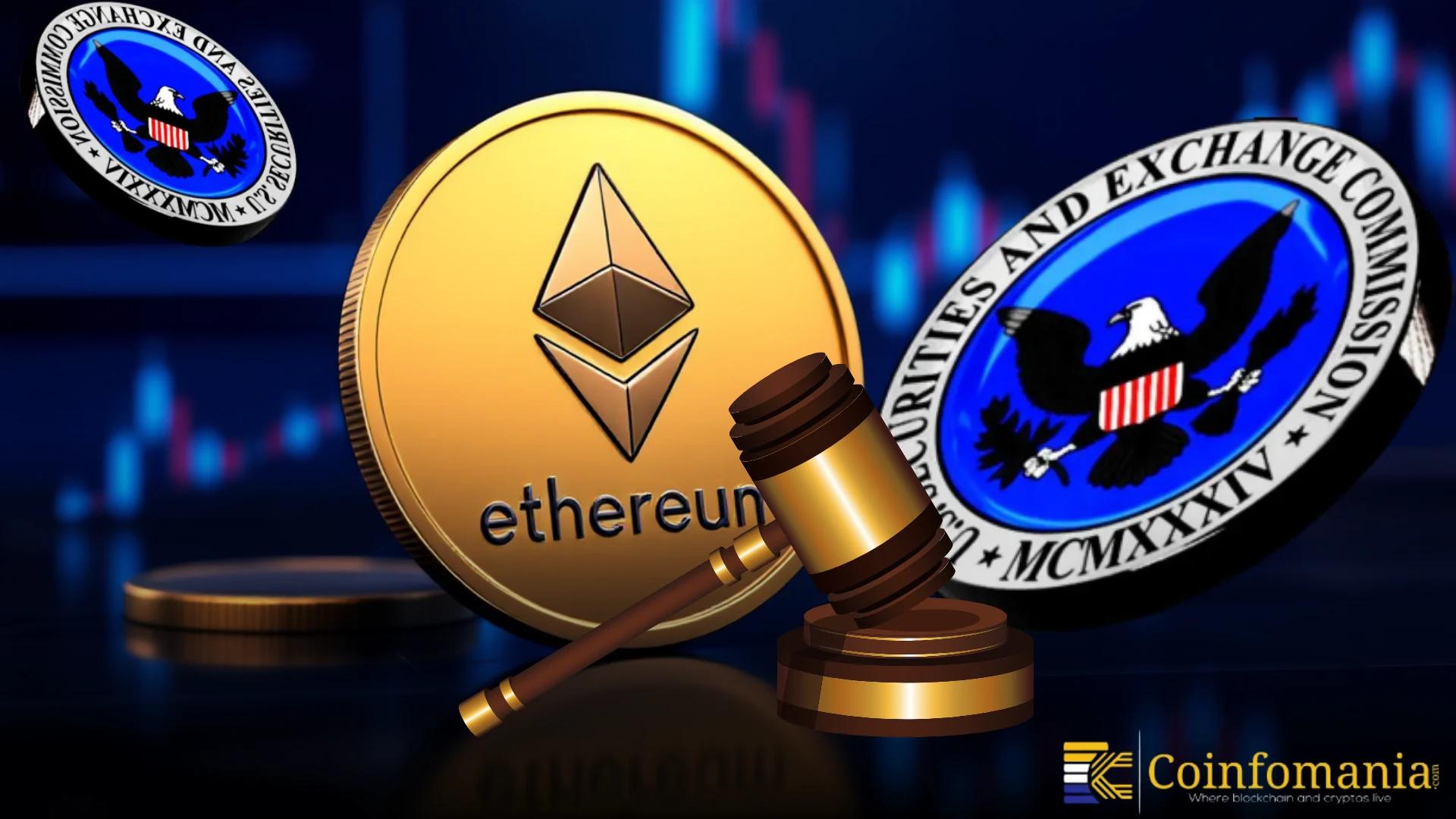
The US crypto conversation has entered a defining phase as regulators openly acknowledge Ethereum’s importance. Recent comments from SEC Chair Paul Atkins signal a notable shift in how policymakers view the network. Ethereum no longer sits on the sidelines of regulation debates. It now stands at the center of America’s evolving crypto framework.
This recognition reflects years of growth across decentralized finance, tokenization, and enterprise blockchain adoption. Ethereum powers thousands of applications that serve global users daily. Regulators increasingly understand that ignoring Ethereum no longer aligns with market reality.
The Ethereum regulatory outlook now shapes investor confidence, institutional strategy, and policy development. Market participants watch these statements closely because regulatory tone often influences capital flows. Atkins’ remarks suggest a more structured and informed regulatory approach rather than outright resistance.
Ethereum’s growing relevance also mirrors broader changes within US crypto regulation. Lawmakers and agencies now focus on integration instead of exclusion. This evolving stance could define how blockchain innovation progresses within the United States.
BULLISH: 🇺🇸 SEC Chair Paul Atkins says Ethereum is now a "critical component" of crypto. pic.twitter.com/0W2Anvz7CX
— Coinvo (@Coinvo) December 30, 2025
Ethereum’s Expanding Role in the Global Crypto Ecosystem
Ethereum supports far more than digital currency transactions. Developers use it to build decentralized exchanges, lending platforms, NFTs, and real world asset systems. Its programmable architecture separates Ethereum from earlier blockchain designs.
Regulators increasingly recognize this versatility. The SEC Ethereum stance now reflects awareness of Ethereum’s infrastructure value. Many financial experiments operate directly on Ethereum’s network today.
Stablecoins, tokenized bonds, and decentralized identity tools rely heavily on Ethereum. These applications attract institutional users who demand regulatory clarity. This demand pushes agencies to refine US crypto regulation frameworks.
The Ethereum regulatory outlook gains importance as adoption expands beyond retail speculation. Governments understand that Ethereum underpins emerging financial systems. Regulation now requires nuance instead of broad enforcement actions.
Why SEC Leadership Language Signals a Turning Point
Statements from senior regulators often indicate internal policy direction. When the SEC Chair describes Ethereum as critical, markets listen carefully. This language signals deeper engagement with blockchain mechanics.
The SEC Ethereum stance appears more analytical and less adversarial. Regulators now discuss network utility rather than focusing only on token classification. This shift changes how projects assess compliance strategies.
Ethereum’s open source structure also influences regulatory thinking. Its decentralized governance complicates simplistic enforcement models. Agencies now evaluate network participation, validators, and protocol upgrades more carefully.
This evolving Ethereum regulatory outlook may reduce uncertainty that previously discouraged builders. Clearer guidance supports innovation while maintaining oversight. Balanced regulation benefits both users and institutions.
Institutional Adoption Strengthens Ethereum’s Regulatory Case
Major financial institutions already experiment with Ethereum-based solutions. Asset managers tokenize funds, banks explore settlement systems, and enterprises test smart contract automation. These efforts increase Ethereum’s legitimacy.
Institutional activity pressures regulators to clarify rules. US crypto regulation must adapt to technologies already integrated into financial infrastructure. Ethereum sits at the core of these experiments.
The SEC Ethereum stance increasingly acknowledges market maturity. Regulators now consider how Ethereum functions in regulated environments. This approach differs from early enforcement-first strategies.
Ethereum’s regulatory outlook improves as institutions demonstrate responsible usage. Compliance driven adoption supports a more collaborative regulatory relationship.
What Comes Next for Ethereum and US Crypto Policy
Regulatory recognition does not eliminate scrutiny. Agencies still examine staking models, validator economics, and governance structures. However, engagement now appears more informed.
Ethereum’s regulatory outlook will evolve alongside technological upgrades. Network improvements like scalability enhancements may further influence policy development. Regulators must adapt continuously.
US crypto regulation now enters a phase of refinement rather than resistance. Ethereum’s central role ensures it remains a reference point for future frameworks.
This shift creates opportunities for responsible innovation while preserving market integrity. Ethereum stands positioned as both a technological and regulatory benchmark.


Follow us on Google News
Get the latest crypto insights and updates.