South Korea and Central Banks Explore Digital Asset Impact

Let’s uncover how digital asset regulation is shaping global finance, what South Korea and France revealed, and why it matters now.
Quick Take
Summary is AI generated, newsroom reviewed.
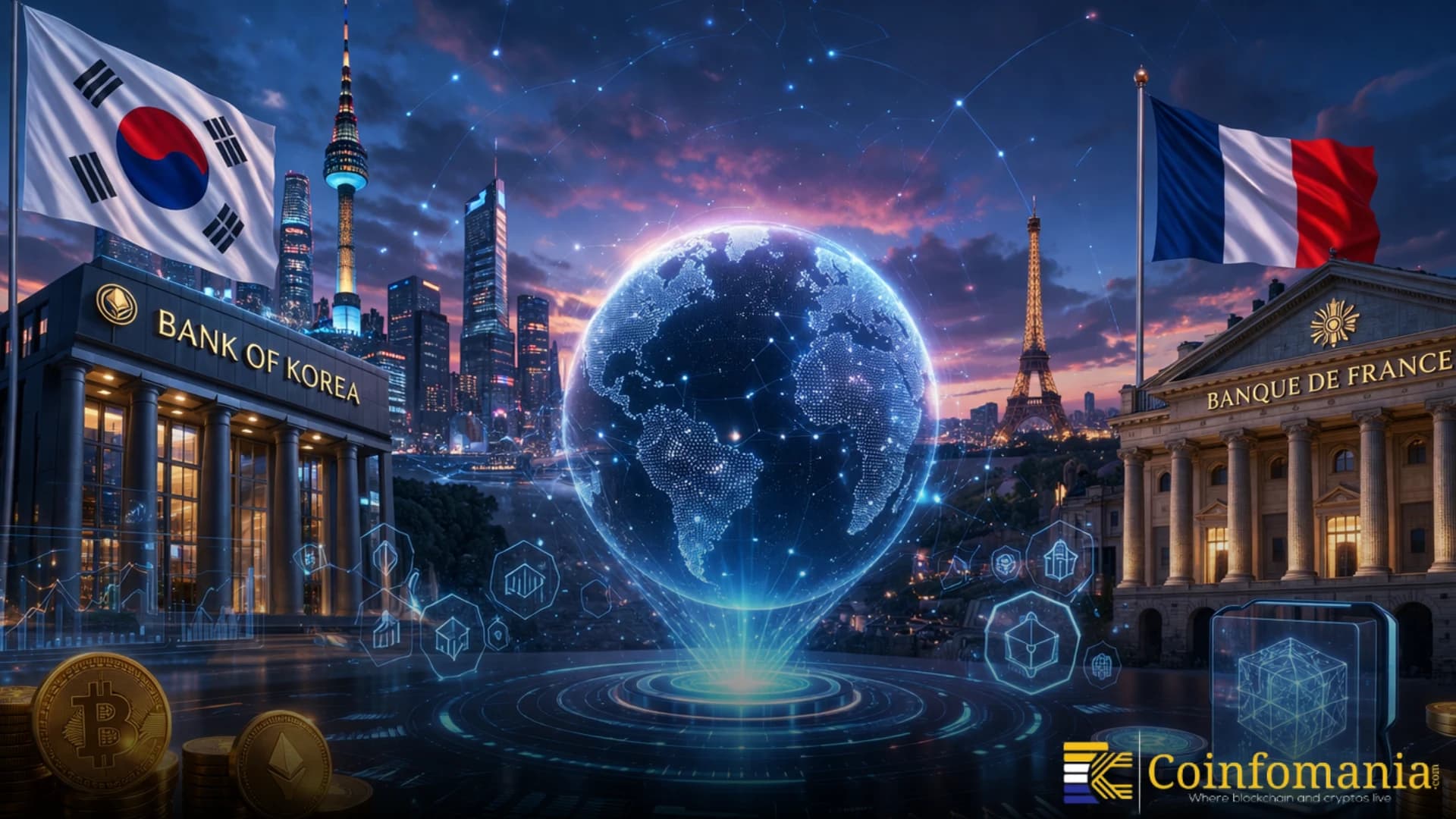
South Korea and France central banks held a joint seminar on digital assets
Discussions focused on digital asset regulation and financial stability
Experts explored impacts on the global monetary system and policy frameworks
The seminar emphasized global cooperation and future crypto regulation strategies
The global financial system continues to evolve as digital assets reshape traditional monetary frameworks. Central banks across the world now assess how cryptocurrencies, tokenized assets, and blockchain systems influence stability. In this context, South Korea and France have taken a significant step. Both countries recently hosted a joint seminar focused on digital assets and their growing impact on the global economy.
This seminar highlights the urgency among policymakers to understand emerging financial technologies. Governments no longer treat digital assets as fringe innovations. Instead, they now view them as critical components of the future financial ecosystem. The discussion between South Korean and French central banks signals a broader push toward coordinated digital asset regulation across regions.
The collaboration also reflects rising concerns about financial stability, investor protection, and monetary sovereignty. As adoption grows, central banks must rethink their strategies. This seminar creates a platform for sharing insights, risks, and regulatory approaches. It also sets the stage for stronger international cooperation in shaping the future of finance.
🇰🇷🇫🇷 JUST IN: South Korean and French central banks hold a joint seminar on digital assets and their impact on the global monetary system, per Yonhap. pic.twitter.com/lITCj5dRxY
— Cointelegraph (@Cointelegraph) April 7, 2026
Why Central Banks Now Focus Heavily On Digital Assets
Central banks once approached digital assets with caution. Today, they actively study their implications. This shift comes from rapid market growth and increased institutional involvement. Cryptocurrencies and tokenized systems now influence capital flows and investor behavior.
The global monetary system faces new challenges due to decentralized technologies. Traditional tools like interest rates and liquidity controls may not work effectively in a digital-first environment. Central banks must adapt quickly to maintain control.
South Korea and France recognize these changes. Their joint seminar reflects a shared urgency to develop frameworks that balance innovation with stability. Policymakers aim to ensure that digital assets support economic growth without creating systemic risks.
Key Themes Discussed At The Joint Seminar
The seminar covered multiple aspects of digital asset regulation and financial innovation. Experts from both countries shared research and policy perspectives. They focused on practical solutions instead of theoretical debates.
One major theme involved the classification of digital assets. Regulators must define whether assets qualify as securities, commodities, or currencies. Clear definitions help create consistent rules across markets.
Another key topic included cross-border transactions. Digital assets operate globally, making coordination essential. Without aligned central bank policy, regulatory gaps may emerge. These gaps could lead to financial instability or regulatory arbitrage.
The seminar also addressed consumer protection. As retail participation increases, authorities must ensure transparency and security. Fraud, scams, and market manipulation remain serious concerns.
How Central Bank Policy Is Evolving
Central banks now redesign their strategies to address digital transformation. They explore new tools and frameworks that fit a digital economy. This evolution reflects a proactive approach instead of reactive regulation.
Many institutions now test central bank digital currencies. These initiatives aim to combine innovation with regulatory control. They also provide alternatives to private digital currencies.
The seminar highlighted the importance of adaptive central bank policy. Policymakers must stay flexible as technology evolves. Rigid frameworks may fail to address future challenges.
South Korea and France both emphasize research-driven decisions. They rely on data, pilot programs, and global cooperation. This approach helps them build effective crypto regulation strategies.
Final Takeaways From The South Korea Seminar
The joint seminar between South Korea and France highlights a major shift in financial policy. Central banks now recognize the transformative power of digital assets. They actively work to understand and regulate this evolving space.
Their collaboration signals a future where international coordination becomes the norm. As digital assets grow, so will the need for unified regulatory frameworks. The seminar represents an important step toward that goal.


Follow us on Google News
Get the latest crypto insights and updates.