South Korea Set to Approve Bitcoin Spot ETFs Under 2026 Growth Plan

South Korea’s Ministry of Finance unveiled a 2026 growth plan on Jan 9, to approve Bitcoin ETFs and digitize 25% of national funds by 2030.
Quick Take
Summary is AI generated, newsroom reviewed.
South Korea will approve Bitcoin spot ETFs under 2026 strategy.
Stablecoin issuers must maintain 100% reserves and license from FSC.
Government aims to digitize 25% of treasury funds by 2030.
Regulatory shifts follow President Lee Jae-myung's 2025 election victory.
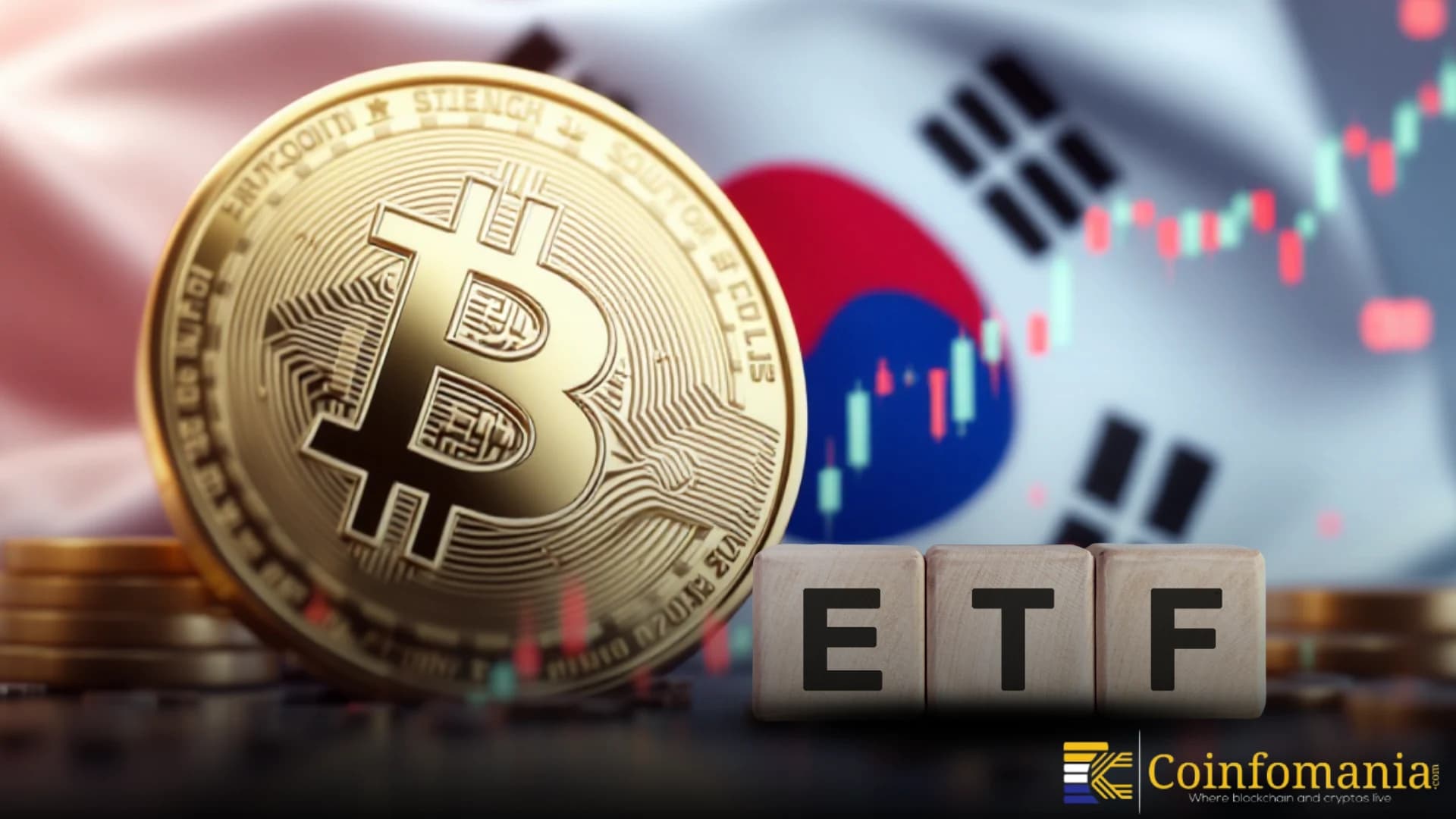
South Korea is getting ready to take a big step into the crypto world. The government has announced that it plans to approve Bitcoin spot ETFs this year as part of its new 2026 Economic Growth Strategy. The update was first reported by News1 and shared by Wu Blockchain on X.
据 News1 报道,韩国政府在公布的《2026 年经济增长战略》中表示,计划于今年推进比特币等数字资产现货 ETF 在国内落地,并由金融委员会(FSC) 加快推进数字资产第二阶段立法。相关法案将建立稳定币监管框架,包括发行人许可、100%…
— 吴说区块链 (@wublockchain12) January 9, 2026
This move would allow Korean investors to buy Bitcoin through regular stock exchanges, just like buying shares. Until now, this was not allowed in South Korea because digital assets were not treated as official ETF assets. But that is about to change.
Bitcoin Spot ETFs Coming to South Korea
On January 9, the South Korean government released its 2026 Economic Growth Strategy. In the report, officials plan to launch spot ETFs for digital assets such as Bitcoin. The Financial Services Commission (FSC) will lead the process. It will review rules under the Capital Markets Act and prepare the market for crypto ETFs. The Korea Exchange has also said its systems are ready to support this new product.
The government said it is watching how Bitcoin ETFs are already trading in the United States and Hong Kong. Since those markets are active and growing, South Korea wants to follow the same path. If approved, Korean investors will be able to gain Bitcoin exposure through regulated funds instead of using crypto exchanges.
New Rules for Stablecoins
At the same time, the government is developing a new law for stablecoins. This will be part of the second phase of digital asset regulation. The new framework will include:
- License rules for stablecoin issuers
- A 100% reserve requirement
- Clear redemption rights for users
- Rules for cross-border transfers
This means stablecoins must be completely backed by real assets, like as bank deposits or government bonds. Users will also have the legal right to convert their stablecoins into real money. The goal is to make stablecoins more secure and reliable.
Digitizing Government Money by 2030
South Korea is also planning something even bigger. The government wants to turn about 25% of national treasury funds into digital money by 2030. Specifically, these are called “deposit tokens.” In practice, they will be used for government payments and settlements.
To make this possible, the government plans to change several laws. Including the Bank of Korea Act and the National Treasury Management Act. It also plans to roll out digital wallets for public payments. This would allow government workers and businesses to use blockchain-based money for daily operations.
Why This Matters
South Korea already has one of the highest crypto adoption rates in the world. According to previous reports, more than 10% of the population actively trades crypto. By approving Bitcoin ETFs and building a stablecoin framework, South Korea wants to:
- Attract more global investors
- Keep local capital inside the country
- Grow its fintech industry
- Become a digital finance leader in Asia
The move also follows a global trend. The U.S. approved Bitcoin ETFs in 2024 and Hong Kong followed in 2025. Now South Korea is ready to join.
What Comes Next
The bills are now moving through the legislative process. If approved, Bitcoin spot ETFs could launch before the end of 2026. For crypto investors in South Korea, this could open the door to safer and more trusted ways to invest in Bitcoin. For the global crypto market, it is another strong sign that digital assets are becoming part of mainstream finance.


Follow us on Google News
Get the latest crypto insights and updates.