Stablecoins Face Fresh Scrutiny as Mexico’s Central Bank Sounds an Alarm

Let’s uncover how stablecoin risks impact global markets and why the Bank of Mexico sees rising threats to financial stability today.
Quick Take
Summary is AI generated, newsroom reviewed.
Stablecoins create major financial stability concerns due to Treasury exposure and rapid global use.
The market faces high stablecoin risks because a few issuers control almost all supply.
Global regulatory gaps allow inconsistent oversight, which increases vulnerabilities.
The Bank of Mexico urges stricter rules, better transparency, and global coordination.
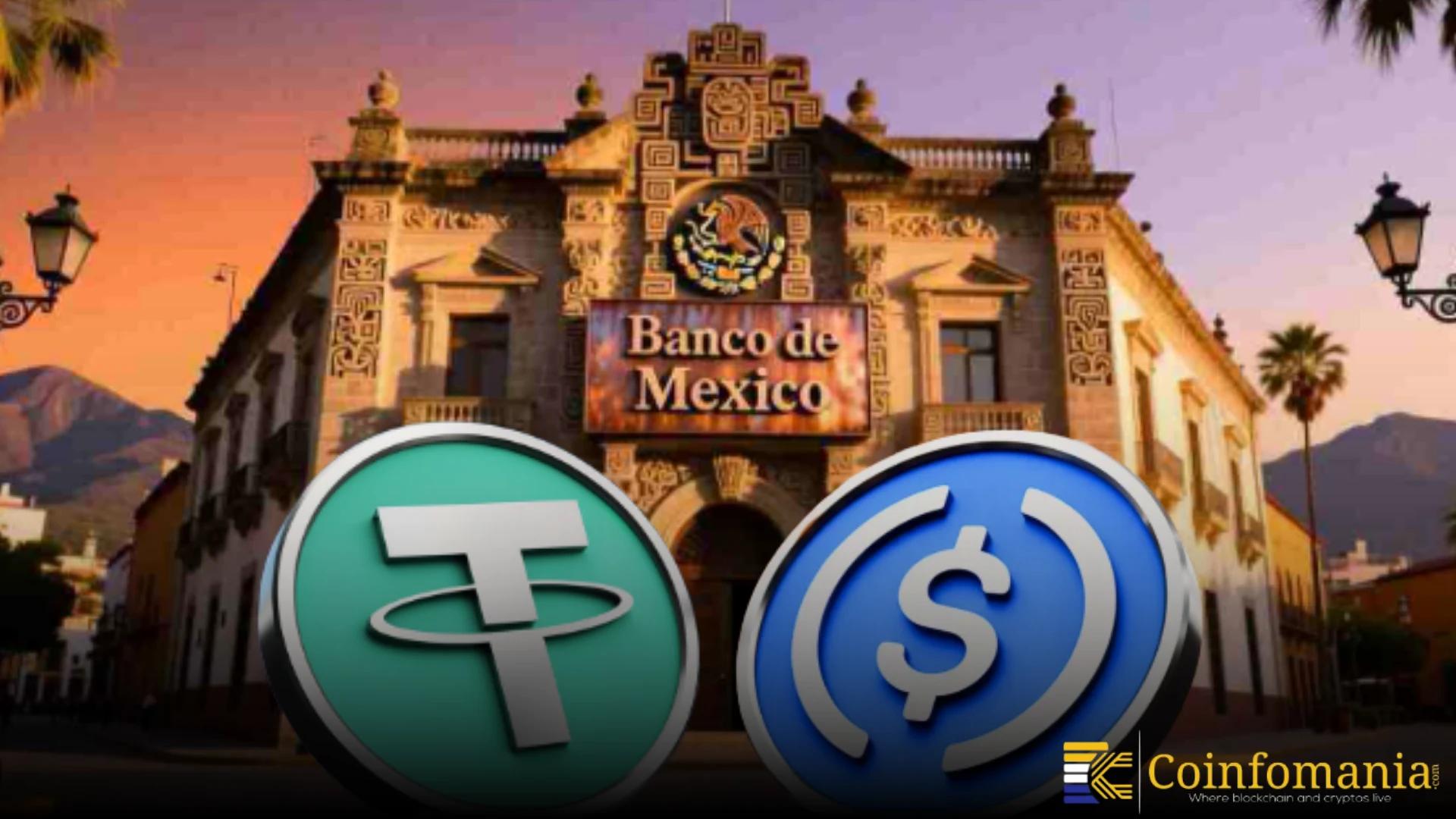
The global crypto market grows fast, and stablecoins sit at the center of this growth. Their market cap continues to expand with rising demand for fast payments and digital settlement. Yet this growth also creates new worries. The Bank of Mexico now highlights deep concerns about how these assets function and how they influence broader financial systems.
The report explains a sharp rise in stablecoin risks, driven by heavy exposure to short-term US Treasurys and rising market concentration. The bank believes these factors create major financial stability concerns that regulators need to address soon. The tone reflects urgency because these assets now move large volumes across borders with increasing influence on traditional markets.
Stablecoins attract millions of users because they offer speed, liquidity, and cost-efficient transfers. But the Bank of Mexico says their underlying structure hides important weaknesses. The report warns that a shock in the US Treasury market could spill into stablecoin markets, which could then spill into global crypto liquidity. These layers of exposure worry the bank. The risk spreads fast in a world where digital assets move across countries in seconds.
LATEST: 🇲🇽 The Bank of Mexico wrote in a new report that stablecoins pose significant risks to financial stability, citing their heavy reliance on short-term US Treasurys, market concentration, and global regulatory gaps. pic.twitter.com/e445BoEG1o
— CoinMarketCap (@CoinMarketCap) December 12, 2025
Bank of Mexico Raises Red Flags Over Treasury Exposure
The report stresses one main point. Stablecoins depend heavily on short-term US Treasurys for backing. This structure creates stablecoin risks because it links them directly to one of the most sensitive financial markets in the world.
If Treasury yields move sharply, the value of stablecoin reserves can change fast. Traders withdraw when uncertainty rises. This pattern creates strong financial stability concerns, especially in countries that rely on crypto for payments or savings.
The bank explains that the stablecoin market holds a large share of its backing in these short-term instruments. This creates a direct channel of pressure. A disruption in Treasury auctions, liquidity, or pricing can hit stablecoin reserves in real time. The report says this exposure grows each year because more stablecoins adopt the same reserve model.
This issue links back to Mexico because local users interact daily with global stablecoins. Any shock in the United States can spread into Mexico’s digital economy. The bank says this risks a chain reaction during uncertain market conditions.
Stablecoins Influence Local and Global Financial Systems
The Bank of Mexico explains that stablecoins now act as both payment tools and shadow money. Their influence grows fast across Latin America. Users choose them due to fast settlement and limited friction. But this popularity also increases the reach of underlying vulnerabilities.
Large movements in stablecoin reserves affect market liquidity. Exchange rates shift quickly when people redeem stablecoins during uncertain periods. These patterns can shake domestic markets. The bank says these dynamics require active monitoring because they connect digital ecosystems with traditional finance.
The report concludes that stablecoins offer innovation, but they also create major financial stability concerns. Mexico aims to strengthen rules, improve transparency, and push for coordinated global action that reduces stablecoin risks and addresses persistent global regulatory gaps.
A Clear Need for Stronger Oversight and Smarter Frameworks
The Bank of Mexico calls for better risk controls across the entire stablecoin sector. It wants improved reserve transparency, clearer redemption policies, and aligned international rules. These steps reduce vulnerabilities created by concentration and Treasury exposure.
The crypto market continues to grow, but that growth demands safer architecture. Stablecoins can support innovation, yet they must evolve with strong guardrails that protect users and financial systems. Mexico’s warning signals a pivotal moment for global regulators who now face an urgent need to address these rising risks.


Follow us on Google News
Get the latest crypto insights and updates.