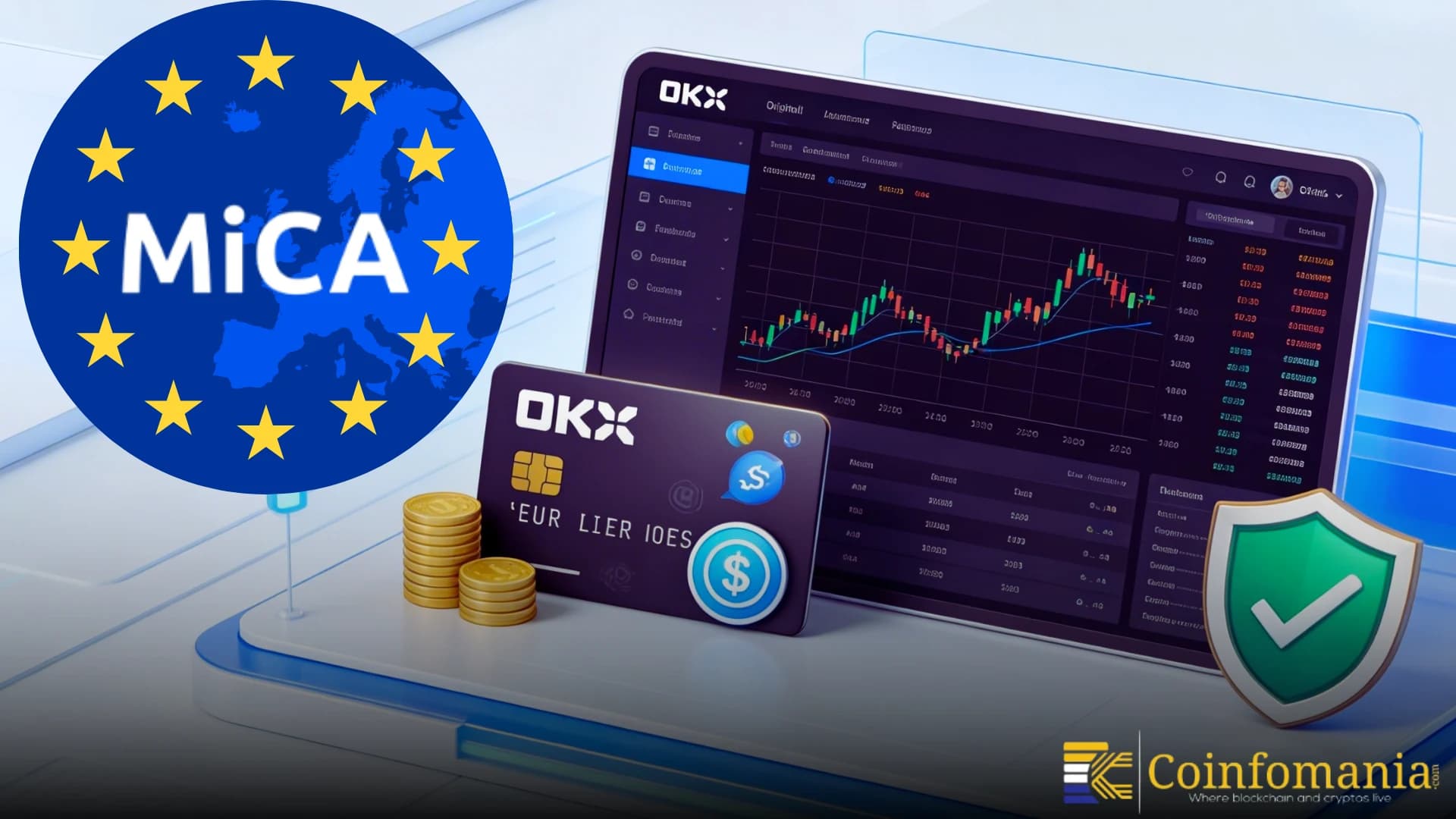
OKX Goes MiCA-Compliant: Big Win for Pi EU Expansion?

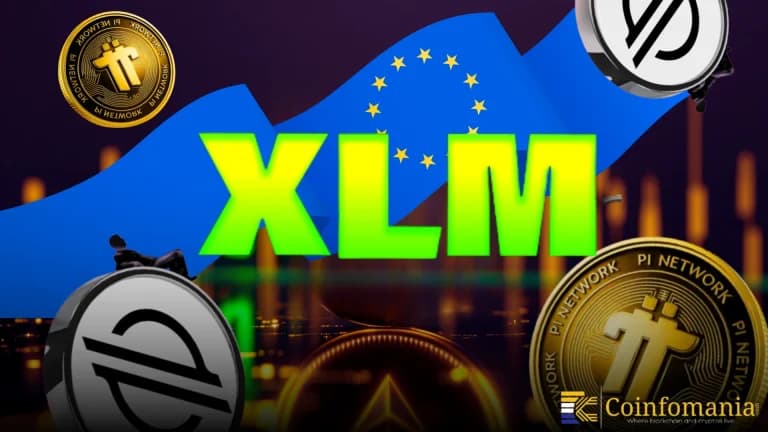
Stellar transactions are now verified within Europe’s Unified Digital Ledger, strengthening its role in pi regulated finance infrastructure.
Quick Take
Summary is AI generated, newsroom reviewed.
Stellar transactions are now compatible with Europe’s Unified Digital Ledger
The EU system integrates central bank money, deposits, and digital assets
Pi Network is referenced due to its protocol alignment with Stellar
Verification confirms Stellar’s suitability for regulated settlement
A digital finance framework in Europe is developing quietly in the background and Stellar has recently made a significant technical breakthrough. Stellar network transactions are verified and approved in the Unified Digital Ledger system in Europe. Consequently, the Stellar-related transactions are officially supported by the digital financial infrastructure adopted in the continent. Although this update was presented on social media, its consequences go much deeper than the fact that it was published there. It is an indication of the way Europe is defining the future of regulated adoption of blockchain.
What a Unified Digital Ledger is Building in Europe
The European Union has been striving to have a unified digital registry that will link central bank money, commercial bank deposits and compliant digital assets. This system will modernize settlement and minimize fragmentation as well as tokenized finance at scale. More importantly, it is important to note that only the blockchains with stringent technical, compliance, and settlement criteria can be integrated into this framework. Checking is not a formality. It ascertains that a network may operate within controlled financial tracks.
The assurance makes Stellar infrastructure-ready as opposed to being purely speculative. The fast settlement, low transaction cost, and predictable consensus business model are very favorable to the regulatory expectations of Stellar. This does not imply that Europe is promoting a given token. Rather, it certifies the architecture of the network in terms of transactions. This difference is crucial to financial institutions investigating blockchain-supported settlement in the absence of regulatory uncertainty. Consequently, the Stellar will be more appealing to make payments, tokenized assets, and cross-border settlement in Europe.
How Pi Network Enters the Picture
The post also includes the tag of Pi Network, which makes attention to the new technical direction of Pi. Pi introduced upgrades in January 2026, which correspond to the protocol stack of Stellar, such as adding features to make the Stellar system more scalable, more private, and more liquid. Since Pi is still in the early stages of its mainnet stages, any association with a Europe-compatible base layer, of course, is interesting. The relationship does not presuppose immediate regulatory approval of Pi. Nevertheless, it emphasizes the way in which design decisions can widen the compliance horizons in the future.
Interoperability between compliance-oriented networks (XRP, Algorand, and even Stellar itself) is also mentioned by the quoted Lumexo announcement and supporting visuals. These networks have a similar story. They place more emphasis on predictability, usability in institutions and regulative clarity, than on fast experimentation. The philosophy of design seems to play well in Europe.
Europe’s Broader Crypto Strategy Is Taking Shape
Europe is seeking an integrated approach that is controlled, unlike the approach that inclines towards open experimentation. It is selectively integrating the public blockchain technology into the existing financial systems instead of substituting them. Europe betrays that public blockchains can also have a role to play by ensuring that Stellar transactions are verified in its single ledger under the condition of stringent requirements. This decreases systemic risk and yet provides innovation. In the long run, such a model would establish the scale of tokenized asset and blockchain settlement in the EU.
This is not a price catalyst on a short-term basis. Rather, it empowers the long-term positioning of Stellar as a financial infrastructure. Europe has just become a more feasible and operating environment to developers and institutions that plan on Stellar. In the case of Pi Network, the message is not direct but significant. Given that regulations develop with time, protocol compliance with base layers enhances optionality.
References


Follow us on Google News
Get the latest crypto insights and updates.