Trump Launches Federal Anti-Fraud Task Force Led by J.D. Vance

Trump expands federal oversight on fraud with a coordinated task force, targeting scams, digital fraud, and large-scale financial crime.
Quick Take
Summary is AI generated, newsroom reviewed.
Trump signs an executive order establishing a federal anti-fraud task force.
VP J.D. Vance will lead efforts to investigate scams and recover stolen funds.
The initiative prioritizes cybercrime and large-scale financial fraud.
Improved agency coordination could also benefit crypto markets by reducing fraud losses.
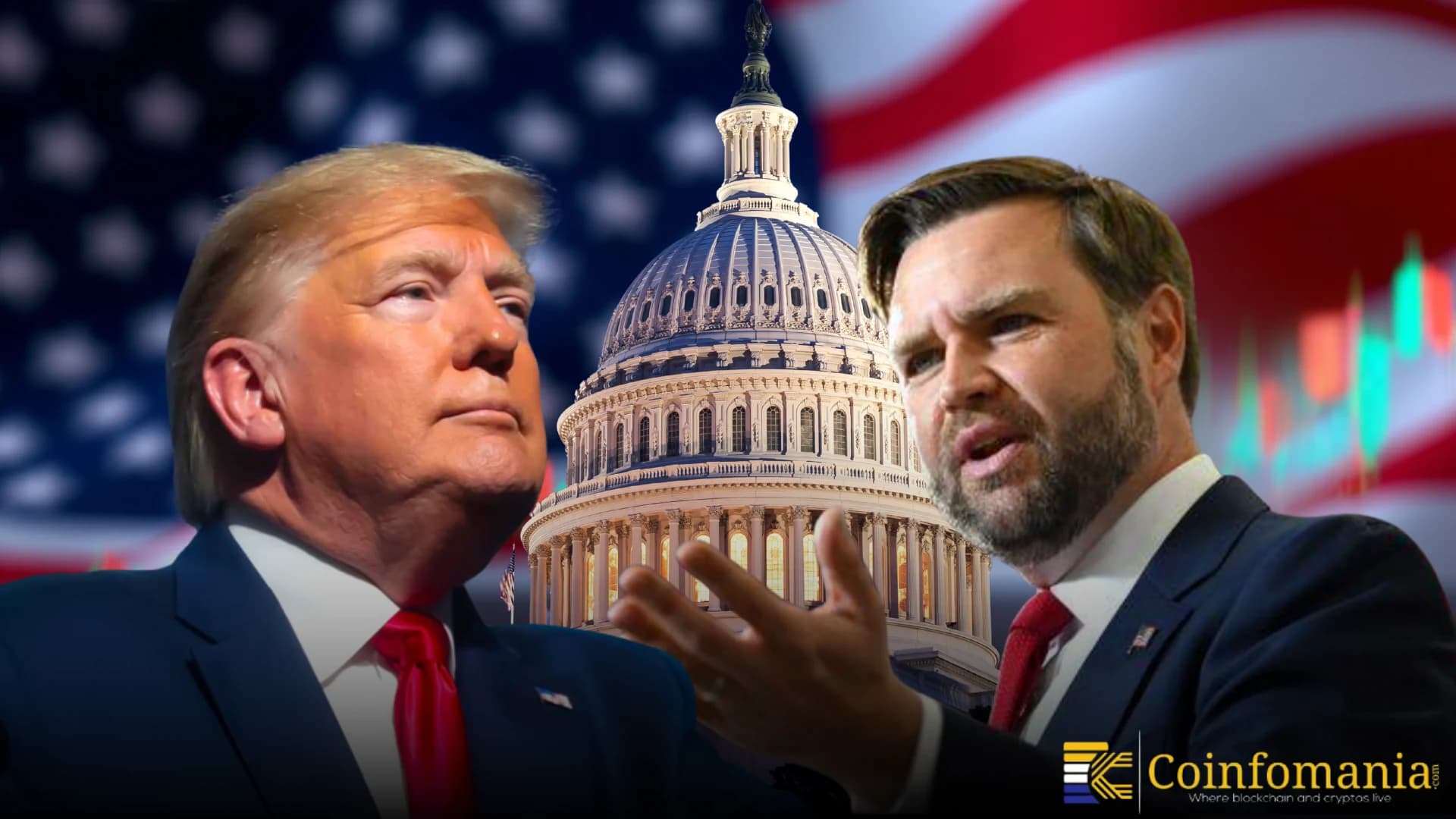
Donald Trump has taken a direct step to tackle rising financial crime by signing an executive order to create a federal anti-fraud task force. Announced on March 16, 2026, the initiative puts J. D. Vance in charge of leading the effort. The task force will coordinate federal agencies, investigate scams, and recover stolen government funds. As fraud cases continue to grow, Trump is positioning this move as a strong response to protect both public money and consumers.
Trump Targets Coordinated Fraud Crackdowns
To begin with, Trump’s order focuses on improving coordination between agencies. Many departments currently handle fraud cases separately, which slows investigations. Therefore, Trump aims to unify these efforts under one structure. This approach should help agencies share data faster and act more efficiently.
In addition, the task force will actively pursue large-scale scam operations. These include cyber fraud networks, financial scams, and misuse of federal funds. Instead of reacting slowly, authorities will now take quicker and more direct action. As a result, Trump’s plan could strengthen enforcement and increase recovery of stolen money.
Focus on Cybercrime and Digital Threats
At the same time, the task force will concentrate heavily on cybercrime. Online scams, phishing attacks, and digital fraud continue to rise each year. Because of this, Trump has directed agencies to prioritise modern fraud techniques.
Furthermore, the initiative builds on earlier concerns raised at the state level. For example, investigations into welfare fraud in California highlighted major gaps in oversight. Consequently, Trump is expanding the fight to a national level. This broader approach allows authorities to address fraud patterns that cross state lines.
Trump’s Move Could Benefit Crypto Markets
Notably, Trump’s anti-fraud push could also support the crypto industry. Data from Chainalysis shows that fraud losses exceeded $4.6 billion in 2025. This figure highlights the urgent need for stronger enforcement.
Therefore, better coordination between agencies may help reduce crypto-related scams. In addition, stronger prosecutions could discourage bad actors from targeting digital assets. While Trump has not introduced new crypto regulations here, his focus on enforcement may still improve market trust. Over time, this could encourage more secure participation in the space.
Mixed Reactions to Trump’s Initiative
Meanwhile, reactions on X remain divided. Some users support Trump’s decision and see it as a necessary crackdown on fraud. They believe stronger enforcement will protect consumers and reduce losses.
However, others question how effectively the plan will work. Critics argue that past initiatives have struggled with execution. In addition, early engagement online has remained modest, showing cautious public interest. Despite this, Trump’s announcement has sparked debate about how governments should respond to financial crime.
Overall, Trump’s task force signals a more aggressive stance against fraud. If agencies follow through with strong coordination and enforcement, the initiative could deliver real results. At the same time, its long-term success will depend on consistent action and measurable outcomes.


Follow us on Google News
Get the latest crypto insights and updates.