Cointelegraph Reports US House Passes Housing Legislation — What’s Next for CBDCs?

The US House passes housing legislation with a temporary CBDC ban, sending it to Trump's desk. Discover its implications for digital currencies.
Quick Take
Summary is AI generated, newsroom reviewed.
US House passes housing legislation including a CBDC ban until 2030.
Legislation now heads to President Trump's desk for approval.
The move signals potential regulatory hurdles for digital currencies.
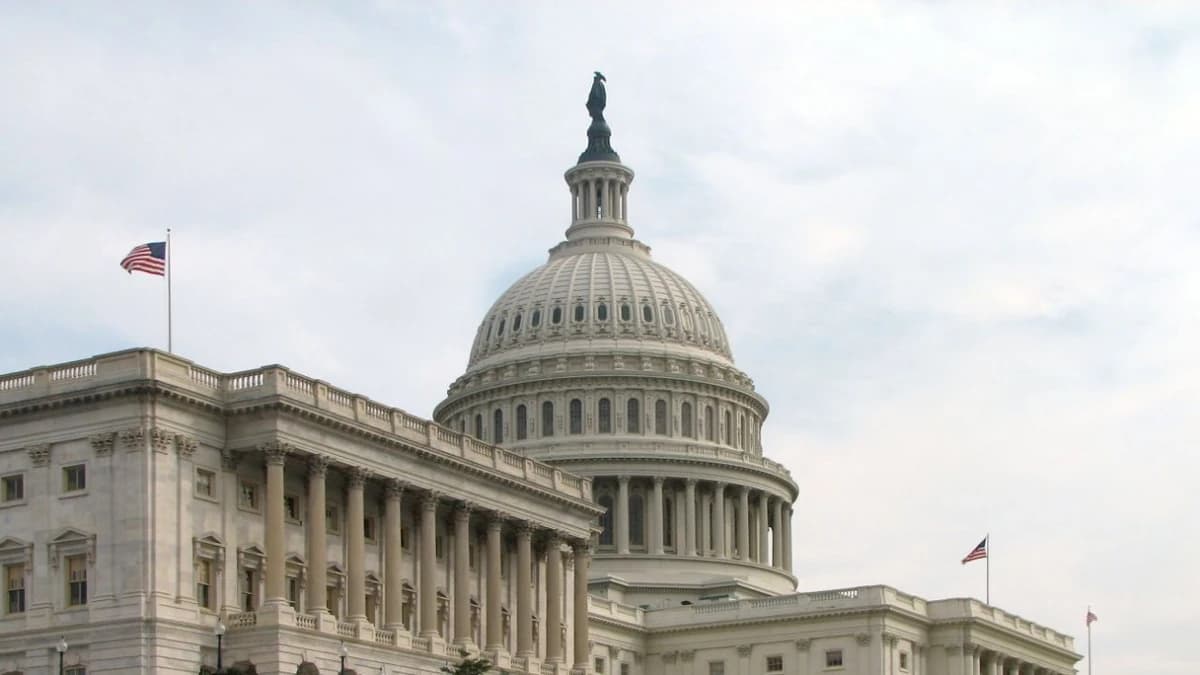
Earlier today, the US House of Representatives passed housing legislation with a significant provision that includes a temporary ban on Central Bank Digital Currencies (CBDCs) until 2030, passing with a vote of 358-32. This legislation will now move to President Trump’s desk for final approval, as noted in a Cointelegraph tweet.
The Key Development
The passage of this housing legislation marks a critical step in shaping the future of digital currencies in the US. The explicit ban on CBDCs, which is seen as a response to growing concerns about privacy and state control, indicates a cautious approach by lawmakers. As of now, the broader cryptocurrency landscape exhibits mixed signals, with traders processing the implications of such regulatory measures. The immediate significance lies in how this legislation could influence the ongoing discussions surrounding digital currencies and their impact on the financial ecosystem.
Key Takeaways
- Cointelegraph, US House passes housing legislation, effective until 2030.
By the Numbers
Currently, the cryptocurrency market is experiencing a sense of uncertainty, with various assets reflecting differing momentum. The overall sentiment remains cautious as traders digest regulatory news, including the latest housing bill. While exact market figures are not available, the implications of this legislation are likely to resonate across the digital currency space as stakeholders assess potential disruptions to CBDCs.
The US House of Representatives has been actively engaged in discussions regarding cryptocurrency regulations, reflecting broader global trends. The passage of this housing legislation represents a significant moment in regulatory history, as it not only addresses housing issues but also highlights the government’s stance on the adoption and control of digital currencies. This ongoing regulatory scrutiny could significantly affect the development and implementation of CBDCs in the US.
What Traders Are Watching Next
Traders should closely monitor how President Trump responds to this legislation, as his approval could cement the regulatory landscape for CBDCs until 2030. Additionally, the potential for future amendments or proposals related to digital currencies could emerge, impacting market confidence and innovation in the crypto space. Keeping an eye on the reactions from industry leaders and the broader financial community will be crucial as developments unfold.
This article is for informational purposes only and should not be considered financial advice.


Follow us on Google News
Get the latest crypto insights and updates.
Related Posts

Pendle Expands Collateral Support — How Will This Affect Users?

Triparna Baishnab
Author

Pendle Launches New Collateral on Aave — Here’s Why It Matters

Shweta Chakrawarty
Author
Ripple Finds New Distribution Channels in Africa and Europe — Here’s Why It Matters
Shweta Chakrawarty
Author