Iran Shuts Hormuz Again — 20% of Global Oil Supply at Risk

Iran reimposes strict control over Hormuz after US blockade talks stall. Discover how oil supply risks and volatility impact global markets.
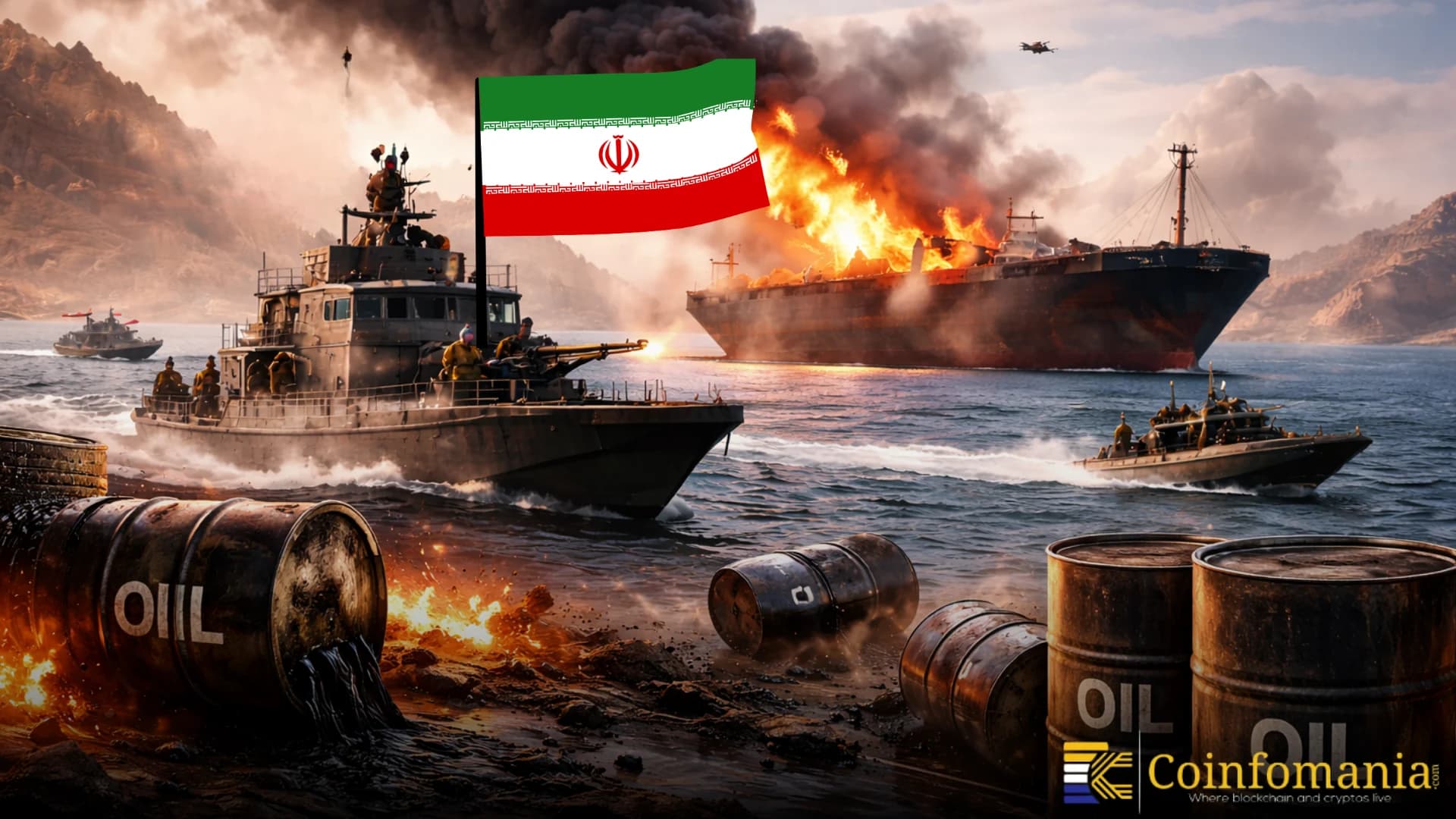
Quick Take
Summary is AI generated, newsroom reviewed.
Iran reversed its decision to reopen the Strait of Hormuz on April 18, 2026.
The military command cited the persistent US blockade of Iranian ports for the move.
Over 20% of global oil and gas supply is now under strict Iranian military oversight.
Markets signaled immediate volatility as ships diverted away from the strategic route.
Iran has once again tightened control over the Strait of Hormuz. It raises fresh concerns across global markets. Reports suggest that passage through the key waterway now requires Iranian approval after tensions with the U.S. escalated.
💥BREAKING:
— Crypto Rover (@cryptorover) April 18, 2026
Iran closes the Strait of Hormuz again after US refuses to end blockade.
Global oil supply route at risk again pic.twitter.com/fawcZGcASs
This situation feels familiar but the timing matters. Markets were already on edge. So, this update has quickly caught global attention.
Why This Route Matters So Much
The Strait of Hormuz is not just another waterway. It carries nearly 20% of the world’s oil and gas. Every day, tankers pass through this narrow route to supply global markets. With this, even small disruptions can create big problems. Some ships have already slowed down or turned back. That alone shows how serious the situation is. If this continues, supply could tighten fast. Also, when supply tightens, prices usually react just as quickly.
Tensions Are Driving the Situation
The latest move follows ongoing tension between Iran and the United States. Reports suggest the US did not lift certain restrictions. That led to this response. As a result, Iran responded by tightening control. Iran has now made its position clear. Passage is no longer guaranteed. Instead, it depends on approval. That adds another layer of uncertainty. While talks are still ongoing. So, the situation could change again. This back-and-forth keeps markets guessing.
Markets React With Caution
Traders did not ignore the news. Oil markets started reacting almost immediately. When supply risks appear, prices often move fast. Concurrently, some unusual trading activity has raised eyebrows. Large oil trades were placed just before key headlines. This has led to questions, but no clear answers yet. Even without clarity, one thing is clear. Volatility is back and when volatility rises, markets become harder to predict.
What This Means for Global Markets
The situation creates broader risks beyond oil. Higher energy prices can affect inflation, transport and global trade. Therefore, markets across sectors may feel the impact. While uncertainty remains high. Negotiations could ease tensions or they could escalate further. This makes the outlook unclear. For now, the focus stays on the Strait of Hormuz. If it remains restricted, pressure on supply will grow. If it reopens fully, markets may stabilize. In the coming days, investors will watch closely. The next update from Iran or the US could quickly change the direction of global markets.


Follow us on Google News
Get the latest crypto insights and updates.