Kalshi and CFTC Sue Minnesota Over Prediction Market Ban

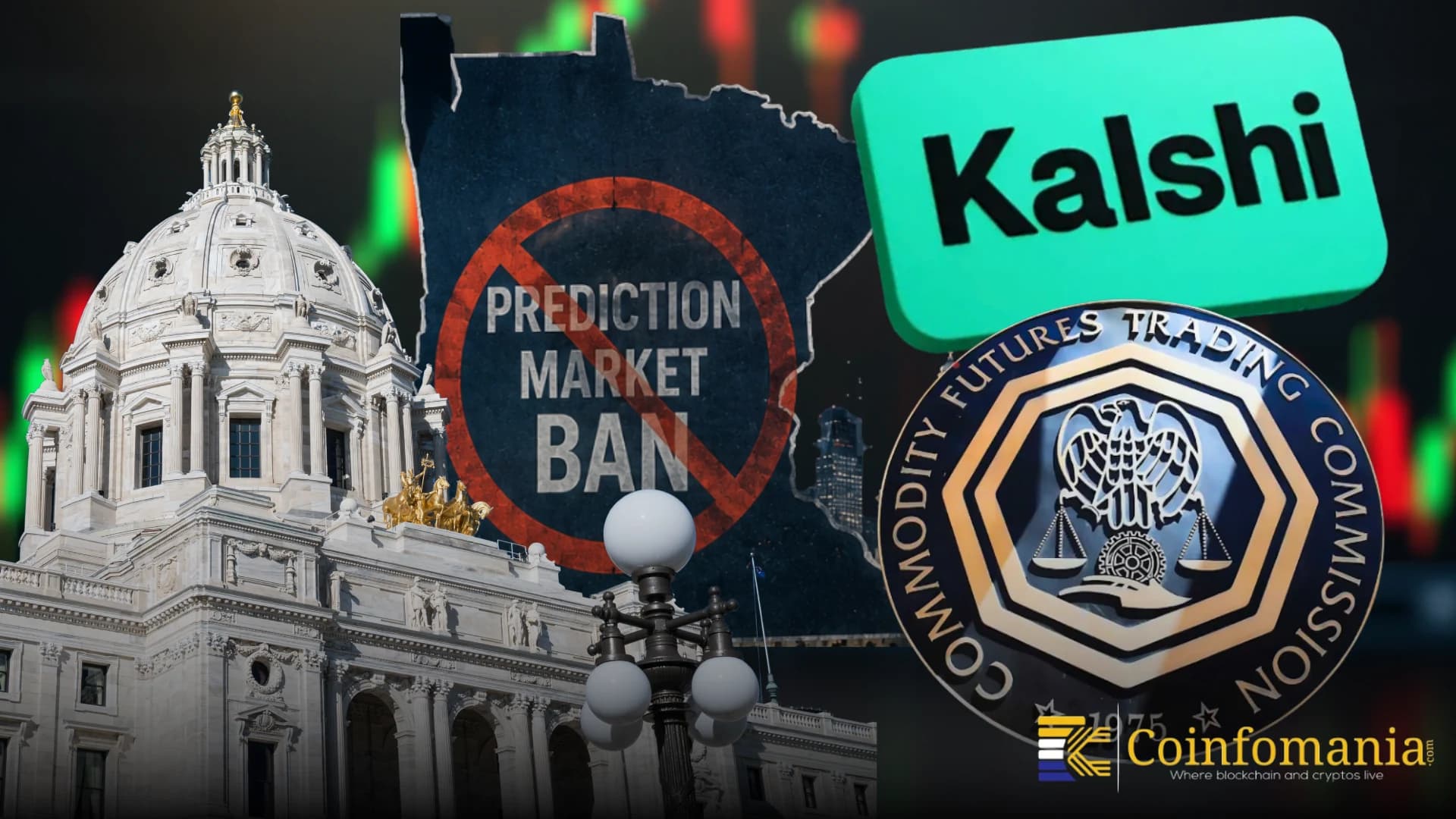
Kalshi and the CFTC file federal lawsuits against Minnesota to block the nation's first state-level criminal ban on prediction markets.
Quick Take
Summary is AI generated, newsroom reviewed.
Kalshi and the CFTC argue Minnesota's incoming August 1 law conflicts directly with federal Commodity Exchange Act jurisdiction.
Governor Tim Walz signed the legislation to criminalize operating, hosting, or advertising prediction platforms within the state.
The CFTC states the ban turns participants into felons overnight and blocks weather hedging tools used by local agricultural producers.
The legal clash intensifies as President Trump publicly backs exclusive federal CFTC authority over event contract platforms.
Prediction market platform Kalshi has launched a federal lawsuit against Minnesota. This is in an effort to block what would become the first state-level ban on prediction markets in the United States. The lawsuit comes just days after the Commodity Futures Trading Commission (CFTC) filed its own legal challenge against the law. That setting up a major confrontation over who has the authority to regulate the rapidly growing prediction market industry.
预测市场平台 Kalshi 起诉美国明尼苏达州,要求阻止一项将于 8 月 1 日生效的新法律。该法律将运营、托管或推广预测市场平台定为刑事犯罪。Kalshi 认为该法违反美国宪法,商品交易法赋予 CFTC 对预测市场相关衍生品的专属监管权,同时相关广告禁令也涉嫌违反《第一修正案》。此前 CFTC 已于 5 月 19…
— 吴说区块链 (@wublockchain12) May 29, 2026
The Minnesota law, signed by Governor Tim Walz on May 18, is scheduled to take effect on August 1. It would make it a criminal offense to operate, host or promote prediction market platforms within the state. Kalshi argues the measure violates federal law and the U.S. Constitution because Congress has already granted the CFTC exclusive authority over federally regulated event contracts and derivatives markets.
Minnesota Becomes Ground Zero for Prediction Market Regulation
The dispute marks the most aggressive state action yet against prediction markets. While several states have challenged platforms such as Kalshi in recent years. Minnesota is the first to pass legislation that directly criminalizes the industry.
Prediction markets allow users to trade contracts tied to future events. That includes elections, sports outcomes, economic indicators and weather events. Supporters view them as financial instruments that improve forecasting accuracy. However, critics argue they resemble online gambling and should face stricter oversight.
The legal battle arrives as the sector experiences rapid growth. Platforms like Kalshi and Polymarket have attracted millions of users and generated significant trading activity. This has turned prediction markets into one of the fastest growing segments of digital finance.
Kalshi Says Federal Law Overrides State Restrictions
In its complaint, Kalshi argues that Minnesota’s law conflicts directly with the Commodity Exchange Act. This gives the CFTC exclusive jurisdiction over designated contract markets. The company also challenges Minnesota’s advertising restrictions. That claiming they violate First Amendment protections by criminalizing speech related to federally regulated financial products.
According to Kalshi, complying with both federal regulations and Minnesota’s new requirements would be impossible. The company therefore asked the court to prevent enforcement before the August deadline. The lawsuit closely mirrors arguments already presented by the CFTC, which filed its own challenge on May 19. Federal regulators contend that states cannot impose separate restrictions on products. They fall under federal derivatives laws.
A Growing Federal-State Power Clash
The case extends beyond Minnesota. It could determine whether individual states can restrict prediction markets despite federal approval. That question has become increasingly important as prediction markets move into mainstream finance. Earlier this week, President Donald Trump also voiced support for maintaining the CFTC’s exclusive authority over the sector. He argued that prediction markets represent an emerging financial industry that should operate under a consistent national framework.
Kalshi has already secured preliminary legal victories in similar disputes involving New Jersey and Arizona. But Minnesota’s law goes further than previous state actions. That making this lawsuit one of the industry’s most significant legal tests to date.
What It Means for Traders and the Industry
A victory for Kalshi and the CFTC could strengthen federal authority and limit states’ ability to regulate prediction markets independently. It could also benefit other platforms operating in the space by providing greater legal certainty. Conversely, if Minnesota prevails, other states may pursue similar laws, creating a patchwork of regulations. That prediction market operators would need to navigate.
For users, the outcome could affect access to event contracts across the country. It may also influence the future of blockchain based prediction platforms. With other emerging financial technologies that rely on nationwide market access.
What’s Next?
The court is expected to consider requests for preliminary relief before the law takes effect on August 1. Until then, the lawsuit will remain closely watched across financial, regulatory and crypto circles. The case has evolved into far more than a dispute between Kalshi and Minnesota. It now represents a landmark test of whether federal regulators or individual states will shape the future of prediction markets in the United States.


Follow us on Google News
Get the latest crypto insights and updates.